
-
Email
dawson.qi@sdpioneer.com -
whatsapp
+8613953811377

-


+86 139 5381 1377

-


+86139-531-1377

-


+86 139 5381 1377

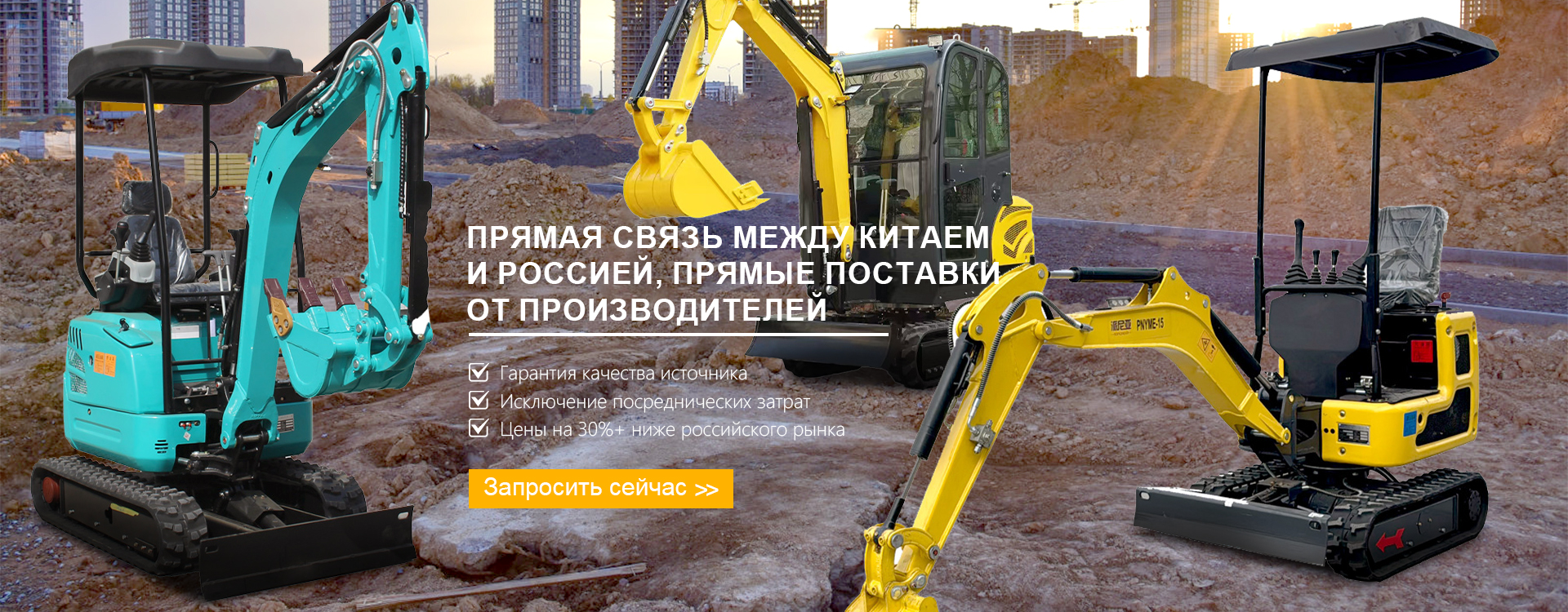
Excavator fuel efficiency
Promotionexcavator fuel efficiency– this is a key task for reducing operating costs and increasing the profitability of construction work. There are various factors that affect fuel consumption, from choosing the right model and regular maintenance to optimizing your driving technique. Efficient use of an excavator not only saves fuel, but also reduces the negative impact on the environment.
Factors affecting excavator fuel efficiency
Excavator fuel consumption depends on many factors, which can be divided into several main categories:
Excavator Specifications
Engine power, type of hydraulic system, excavator weight and other technical characteristics have a direct impact on fuel consumption. More modern models, such as those presented by Shandong Paynia Construction Equipment LLC,https://www.sdpioneer.ru/, are often equipped with control systems that optimize engine and hydraulic performance to reduce fuel consumption.
Operating conditions
Soil type, digging depth, platform rotation angle, ambient temperature and other operating conditions also affectexcavator fuel efficiency. Working in difficult conditions, such as hard ground or steep slopes, requires more power and therefore more fuel consumption.
Operator skills
The qualifications and experience of the operator play an important role in optimizing fuel consumption. Correct use of controls, selection of optimal operating speed and avoidance of unnecessary movements can significantly reduce fuel consumption.
Maintenance
Regular maintenance, including changing filters, oil and other consumables, ensures optimal engine and hydraulic system performance, which in turn helps improveexcavator fuel efficiency.
Ways to improve the fuel efficiency of an excavator
There are many ways to increaseexcavator fuel efficiency, which can be divided into several categories:
Optimization of technical characteristics
When choosing an excavator, you should take into account the features of the upcoming work and choose a model with optimal technical characteristics. For example, to work with light soil, you can choose an excavator with less engine power, which will reduce fuel consumption. It is worth paying attention to the presence of modern engine and hydraulic control systems, which allow optimizing fuel consumption depending on operating conditions.
Optimization of operating conditions
Before starting work, it is necessary to carefully plan the tasks and choose the optimal routes for moving the excavator. Unnecessary movements and rotations of the platform should be avoided. When working with hard soil, it is recommended to loosen it first, which will reduce the load on the excavator and reduce fuel consumption.
Operator training
Training operators in proper excavator operating techniques can significantly reduce fuel consumption. Operators must be trained to select optimal operating speeds, avoid unnecessary movements, and use controls effectively. Regular training of operators and familiarization with new technologies also helps to improveexcavator fuel efficiency.
Regular Maintenance
Regular maintenance is key to maintainingexcavator fuel efficiency. It is necessary to promptly replace filters, oil and other consumables. You should also regularly check the condition of the engine, hydraulic system and other components and assemblies of the excavator. The use of high-quality consumables and spare parts also helps to increaseexcavator fuel efficiency.
Examples and practical tips
- Use fuel saving mode (Eco Mode): Many modern excavators are equipped with a fuel saver mode that automatically optimizes the engine and hydraulic system to reduce fuel consumption.
- Avoid idling: When the excavator is not in use, turn off the engine. Idling causes unnecessary fuel consumption.
- Maintain correct tire pressure: Correct tire pressure reduces rolling resistance and reduces fuel consumption.
- Clean the air filter regularly: A dirty air filter restricts the flow of air into the engine, which reduces engine power and increases fuel consumption.
- Use the right oil: Using quality oil recommended by the excavator manufacturer ensures optimal lubrication of the engine and hydraulic system, which reduces friction and reduces fuel consumption.
Excavator fuel consumption comparison table (example)
| Excavator model | Engine power (hp) | Fuel consumption (l/hour) |
|---|---|---|
| Caterpillar 320 | 162 | 15-18 |
| Komatsu PC210LC-11 | 165 | 14-17 |
| Hitachi ZX210LC-6 | 164 | 13-16 |
*Fuel consumption figures are approximate and may vary depending on operating conditions and operator skill.
Conclusion
Promotionexcavator fuel efficiencyis a complex task that requires taking into account many factors. Optimization of technical characteristics, operating conditions, advanced training of the operator and regular maintenance can significantly reduce fuel consumption and increase the profitability of construction work.
Correspondingproducts
Related Products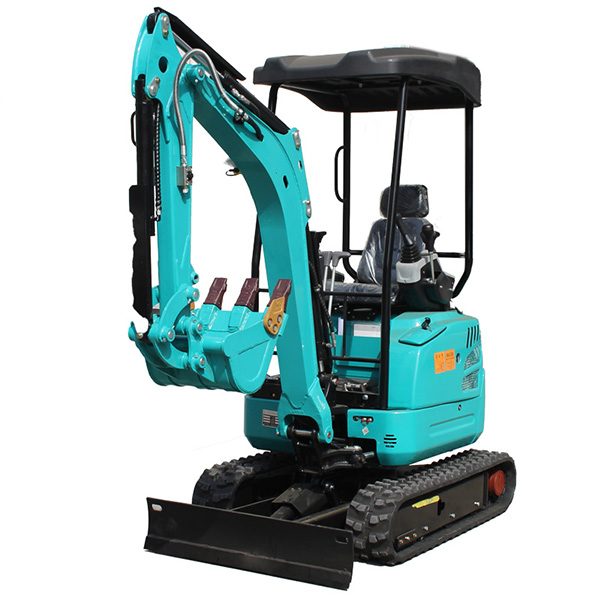
Best Sellingproducts
Best Selling Products-
 Model 350 Mechanical Brake Scrubber Dryer
 -
 Snowblower based on a beach car
 -
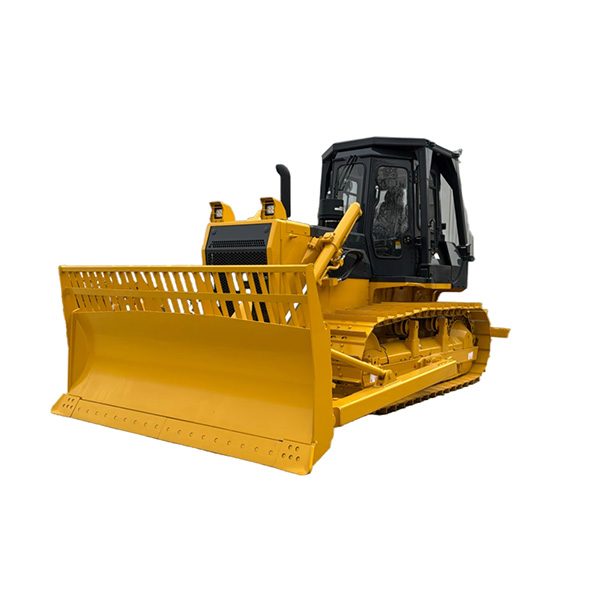
 PNY-BD-D320 Hydraulic Crawler Dozer
 -
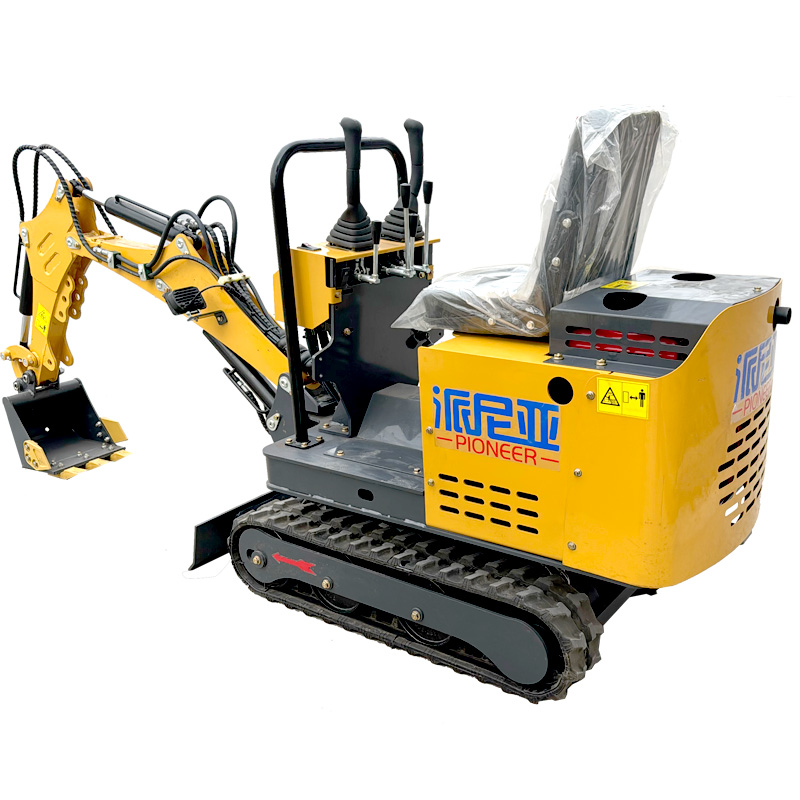
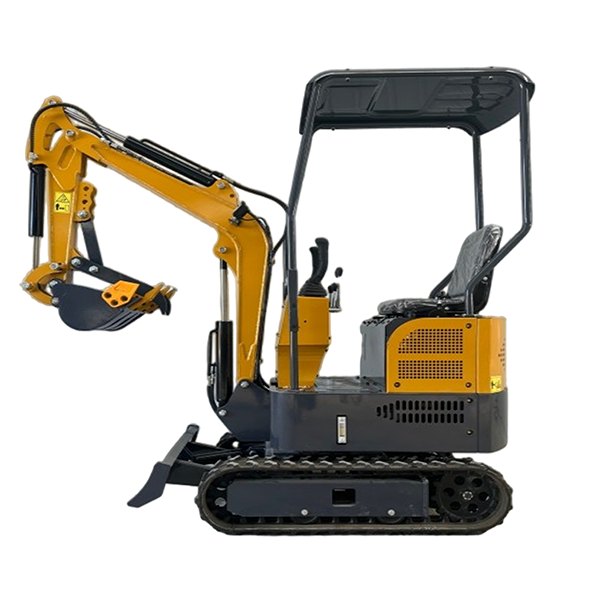 PNY-ME-12A mini crawler diesel excavator
 -
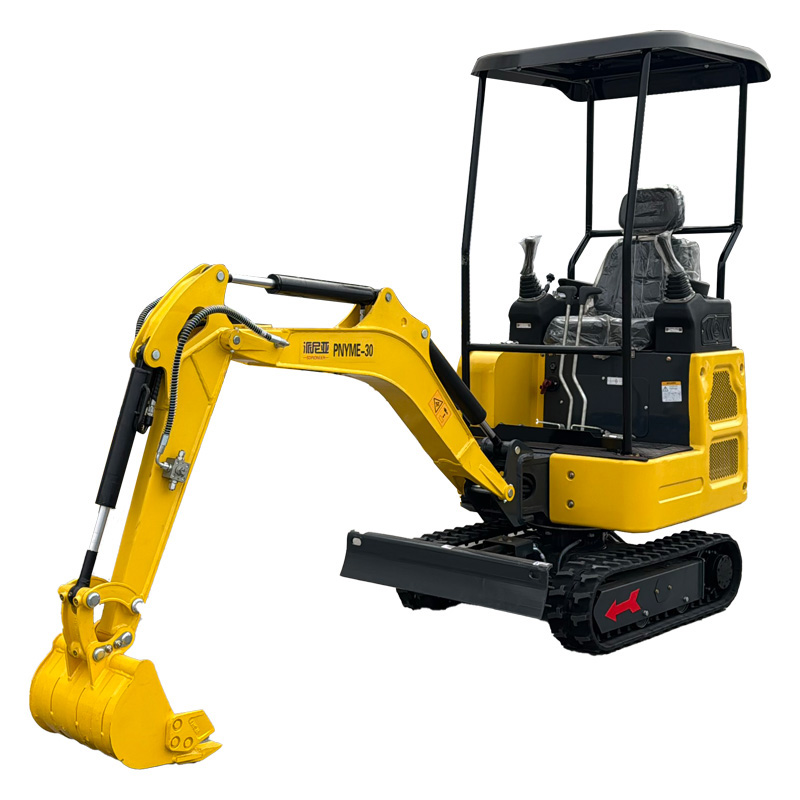 PNY-ME-30R Kubota small micro crawler diesel excavator
 -
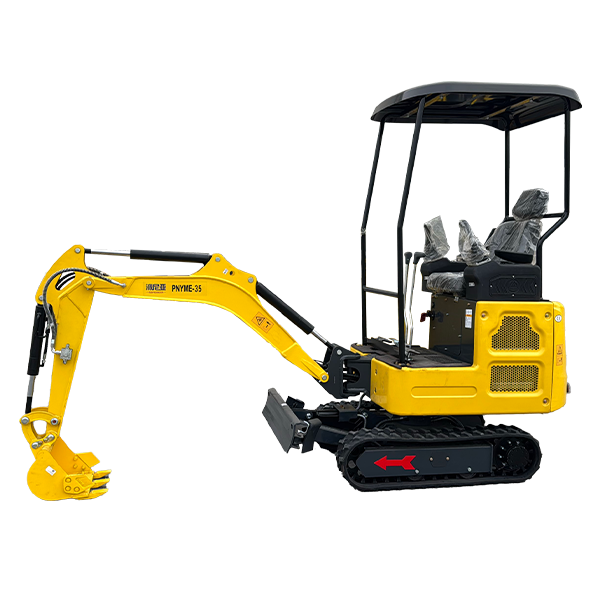 PNY-ME-35B small micro crawler diesel excavator Changchai
 -
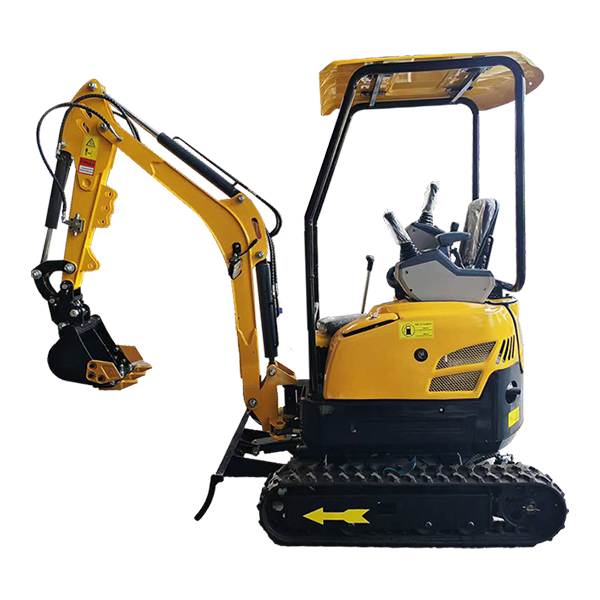 PNY-ME-17R small micro crawler diesel excavator
 - PNY-ME-35A small micro crawler diesel excavator Changchai
-
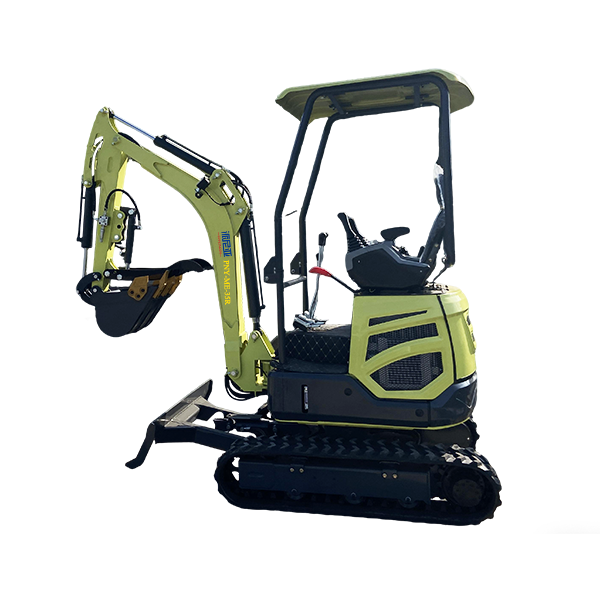 PNY-ME-35R mini excavator (customizable)
 - PNY-ME-17A small micro crawler diesel excavator
-
 PNY-BD-D260 Hydraulic Crawler Dozer
 -
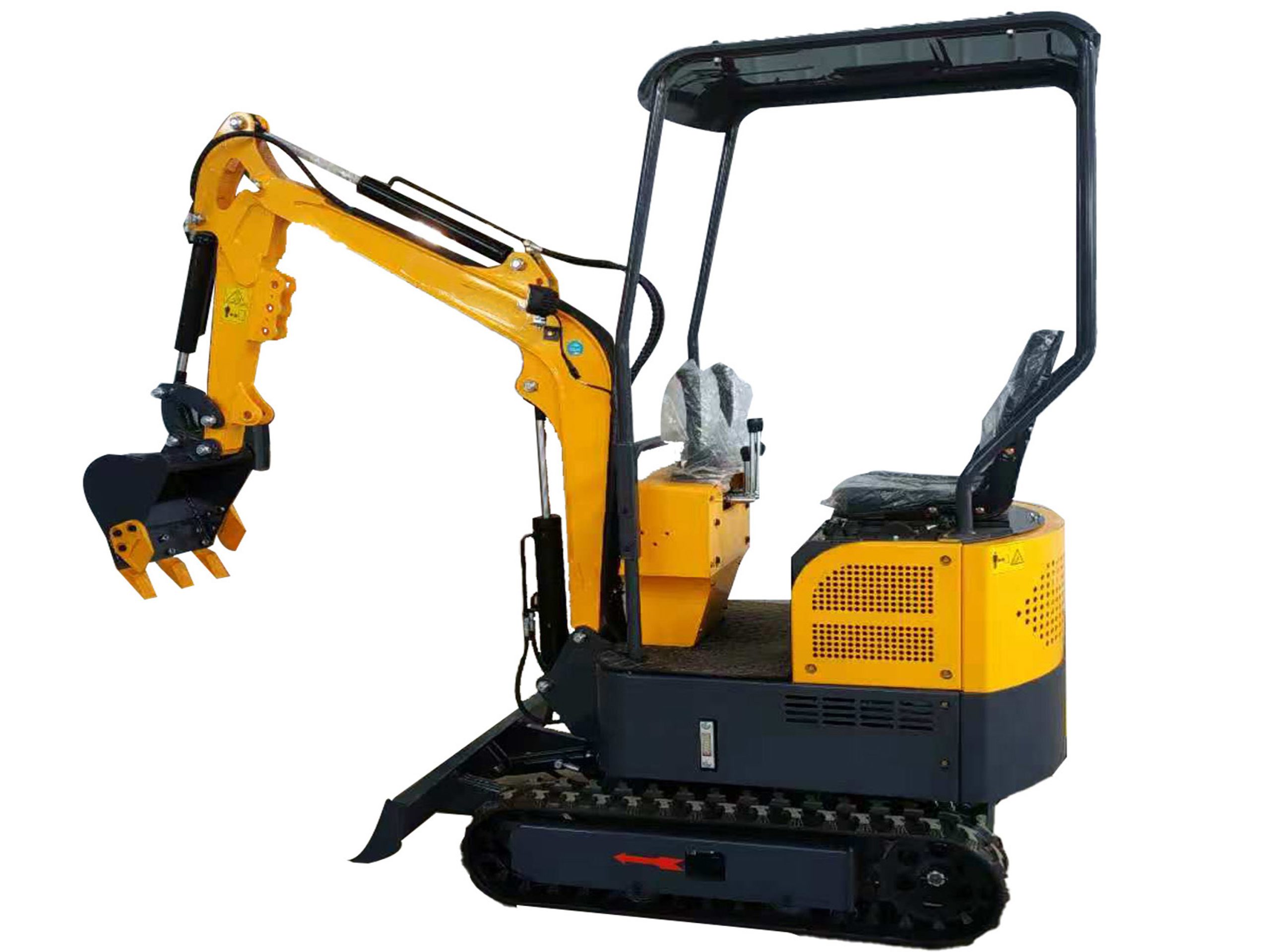 PNY-ME-12R mini crawler diesel excavator
Relatedsearch
Related Search- mini excavator for the garden
- Top Buyers of Crawler Mini Excavator for Jackhammers in China
- Leading buyer of Komatsu bulldozers at cheap prices in China
- Main Buyers of OEM Mini Excavators for Snow Removal
- Major Buyers of OEM Demolition Mini Excavators
- zoomlion mini loader
- bulldozer shantui
- Leading buyer of cheap mini excavators for land leveling
- Komatsu bulldozer
- Top Buying Countries for Lonking Skid Steer Loaders from China