
-
Email
dawson.qi@sdpioneer.com -
whatsapp
+8613953811377

-


+86 139 5381 1377

-


+86139-531-1377

-


+86 139 5381 1377

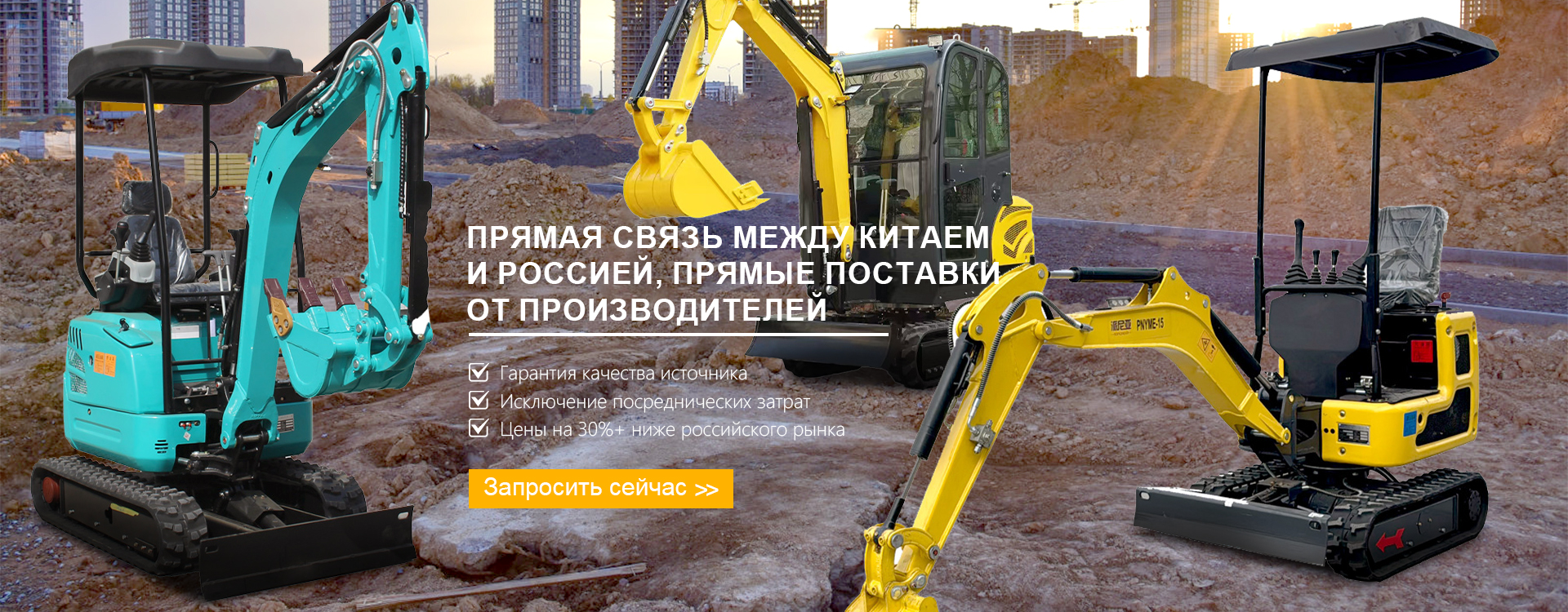
Excavator working radius
Excavator working radius– this is a key parameter that determines its capabilities when performing excavation and loading operations. It represents the maximum distance from the axis of rotation of the platform to the most distant point of the bucket. Correct calculation and understanding of this indicator are critical for the efficient and safe use of equipment, as well as for choosing an excavator that is suitable for specific tasks. In this article we will take a closer look at what affectsexcavator working radius, how to measure it, and how to optimize it for better performance.
What isexcavator working radiusand why is it important?
Excavator working radius- This is the area in which the excavator can effectively perform work without moving the machine itself. This radius depends on several factors including the length of the boom, arm and bucket. Largerexcavator working radiusallows you to cover a larger area, reducing the need to frequently move the machine, which increases productivity and reduces turnaround time. Also, correct calculation of the radius is important for planning work and ensuring safety on the construction site.
Main components influencingexcavator working radius
Onexcavator working radiusThe following main components influence:
- Arrow:Boom length is one of the main factors determiningexcavator working radius. The longer the arrow, the greater the range.
- Handle:The handle connects the boom to the bucket and also influencesexcavator working radius.
- Bucket:The size and type of bucket also influenceexcavator working radius.
How to measureexcavator working radius?
Measurementexcavator working radiuscan be done in several ways:
- Using technical specifications:The excavator specifications provided by the manufacturer usually indicate the maximumexcavator working radius. Shandong Paynia Construction Machinery Co.,Ltd (https://www.sdpioneer.ru/) provides detailed technical specifications for all excavator models.
- Practical measurement:You can measure the radius manually by extending the boom and arm to the maximum position and measuring the distance from the platform's axis of rotation to the tip of the bucket.
Types of excavators and theirworking radius
There are several types of excavators, each of which has its own characteristics andworking radius:
- Mini excavators:Compact machines with littleworking radius, designed to work in confined spaces.
- Crawler excavators:Universal machines with medium and largeworking radius, used for a wide range of tasks.
- Wheeled excavators:Mobile machines with good maneuverability and averageworking radius, used for work on roads and construction sites.
Factors influencing choiceexcavator working radius
When choosing an excavator, it is important to consider the following factors:
- Type of work:Different types of work require excavators with differentworking radius.
- Construction site dimensions:In confined areas it is better to use mini excavators with smallworking radius.
- Digging depth:Deep excavations require an excavator with a largeworking radiusand corresponding digging depth.
Optimizationexcavator working radiusto improve productivity
You can optimize to improve performanceexcavator working radiusin the following ways:
- Using boom and arm extensions:Extensions allow you to increaseexcavator working radiuswithout replacing the entire machine.
- Choosing the right bucket:Different types of buckets are designed for different tasks and can affectexcavator working radius.
- Operator training:Skilled operators can make the most ofexcavator working radiusand improve productivity.
Safety when working with an excavator andworking radius
Safety is a priority when operating an excavator. It is important to follow the following rules:
- Definition of danger zone:The danger zone around the excavator must be clearly marked, corresponding to itsworking radius.
- Use of signaling devices:The excavator must be equipped with sound and light signals to warn of movement.
- Regular inspection of equipment:It is necessary to regularly check the technical condition of the excavator to avoid breakdowns and accidents.
Examples of calculationsexcavator working radius
For clarity, we give an example of calculationexcavator working radius:
Let's say we have a crawler excavator manufactured by Shandong Paynia Construction Machinery Co., Ltd., model SDP150-9. According to the technical specifications, the length of the boom is 4.5 meters, the length of the handle is 2.5 meters, and the length of the bucket is 0.8 meters. Thenexcavator working radiuscan be approximately calculated as the sum of these values: 4.5 + 2.5 + 0.8 = 7.8 meters.
| Component | Length (m) |
|---|---|
| Arrow | 4.5 |
| Handle | 2.5 |
| Bucket | 0.8 |
| Total | 7.8 |
Conclusion
Excavator working radiusis an important parameter that determines its efficiency and safety when performing construction and excavation work. Choosing the right excavator based on the requiredworking radius, as well as optimization of this parameter, can significantly increase productivity and reduce risks on the construction site. Remember to maintain regular maintenance and operator training to ensure safe and efficient operation.
Correspondingproducts
Related Products

Best Sellingproducts
Best Selling Products-
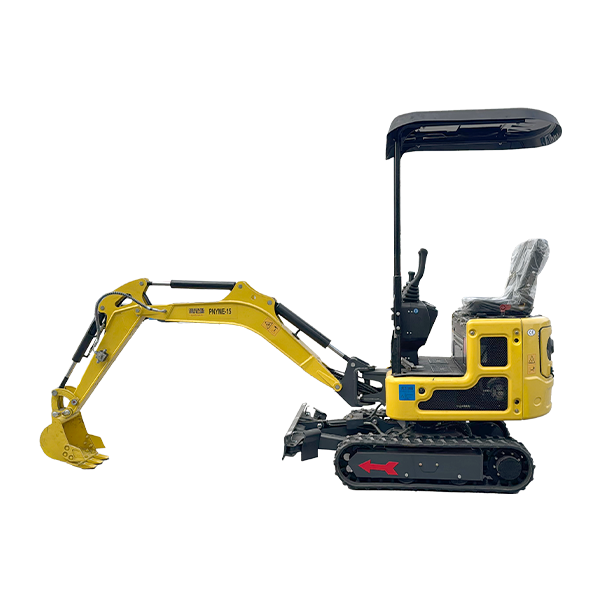 PNY-ME-15R crawler diesel mini excavator
 -
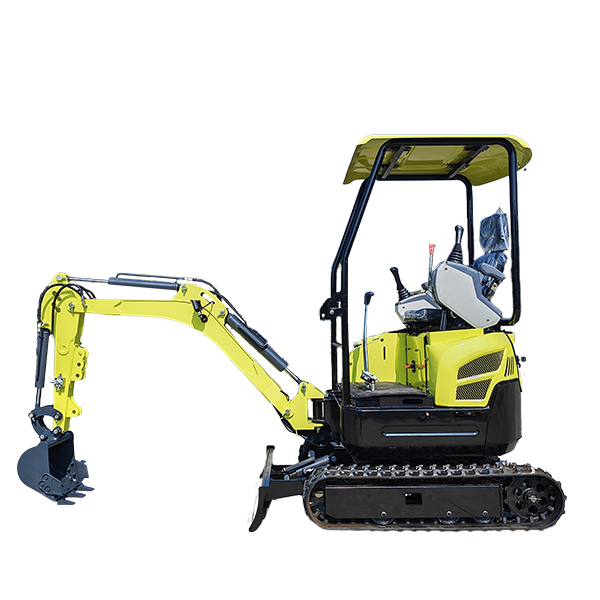 PNY-ME-17B small micro crawler diesel excavator
 -
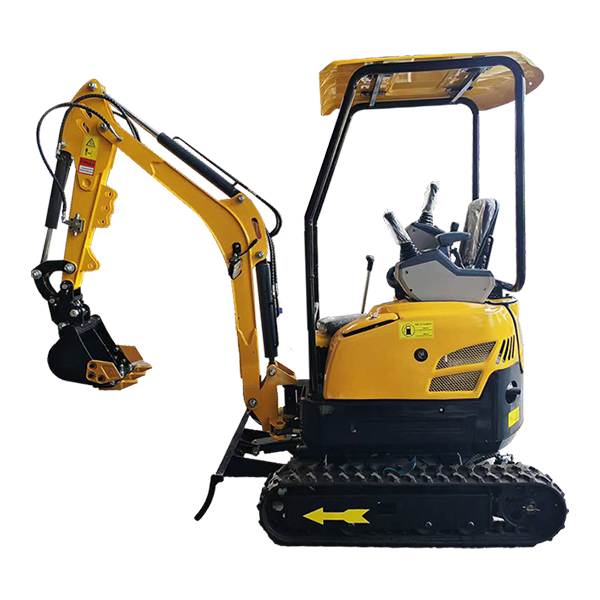 PNY-ME-17A small micro crawler diesel excavator
 -
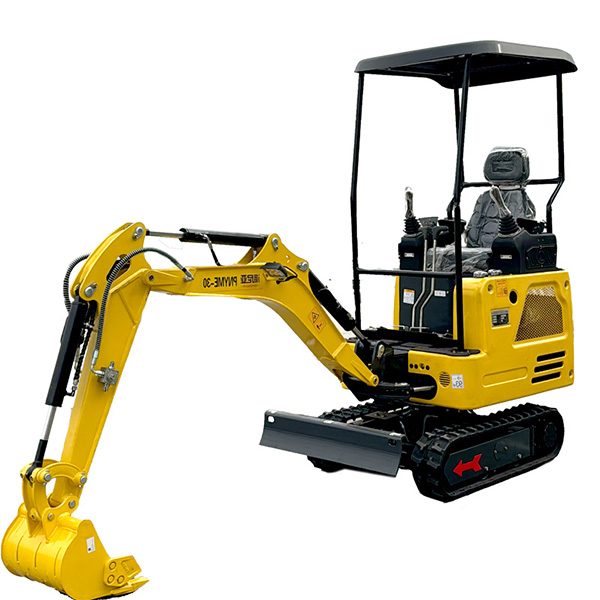 PNY-ME-30A small micro crawler diesel Kubota excavator
 -
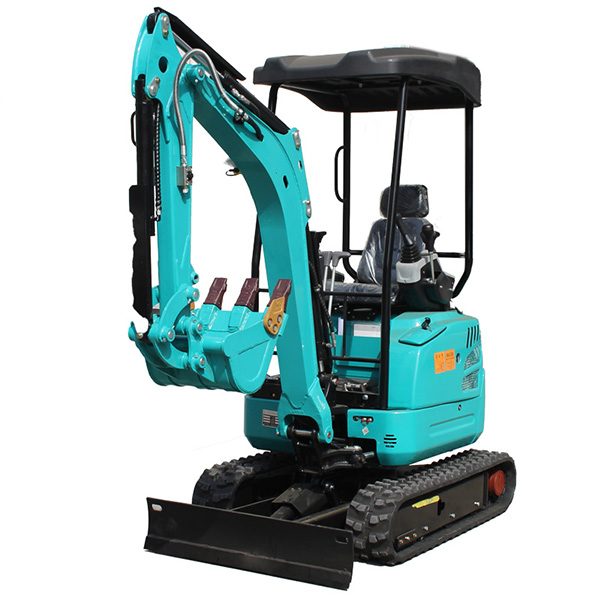 PNY-ME-320A Crawler Small Micro Diesel Excavator Kubota
 -
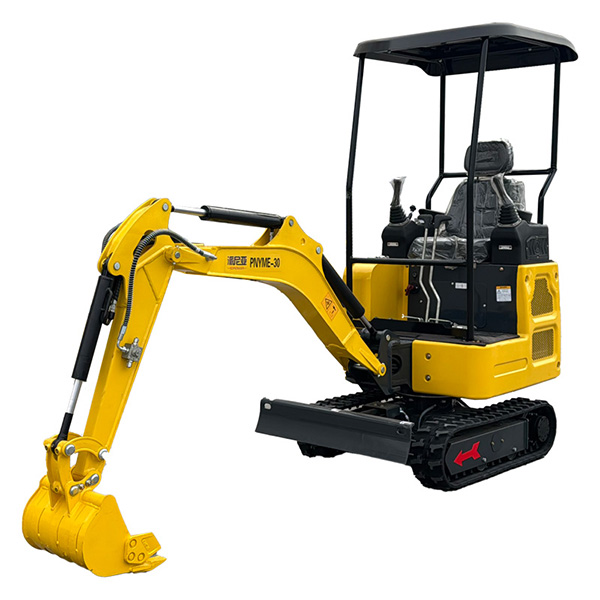 PNY-ME-30B small micro crawler diesel excavator
 -
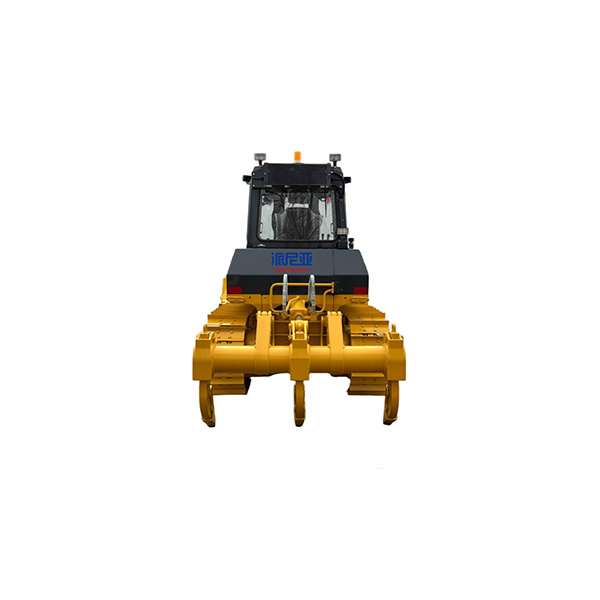 PNY-BD-D350 Hydraulic Crawler Dozer
 -
 Snowblower based on a beach car
 -
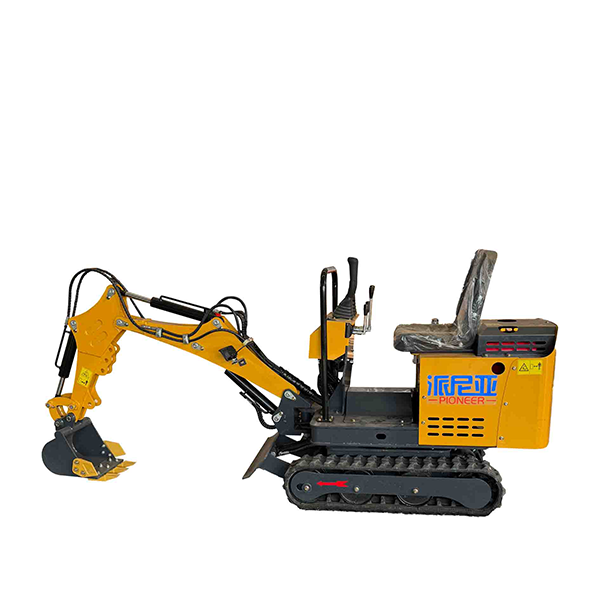 PNY-ME-08B mini small micro crawler diesel excavator
 -
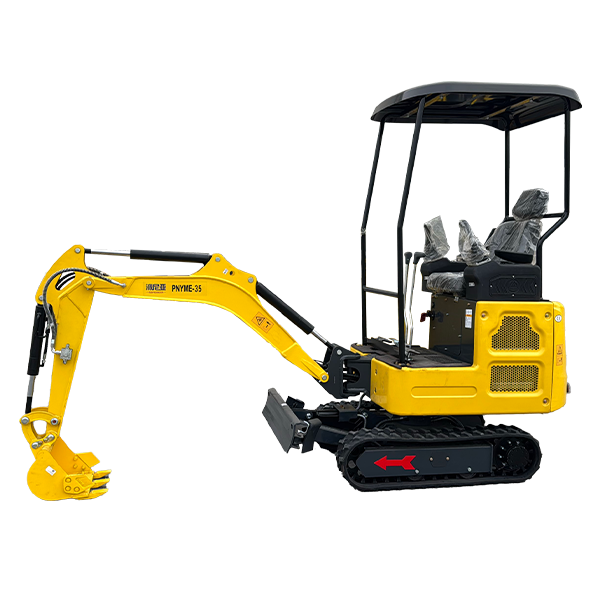 PNY-ME-35A small micro crawler diesel excavator Changchai
 -
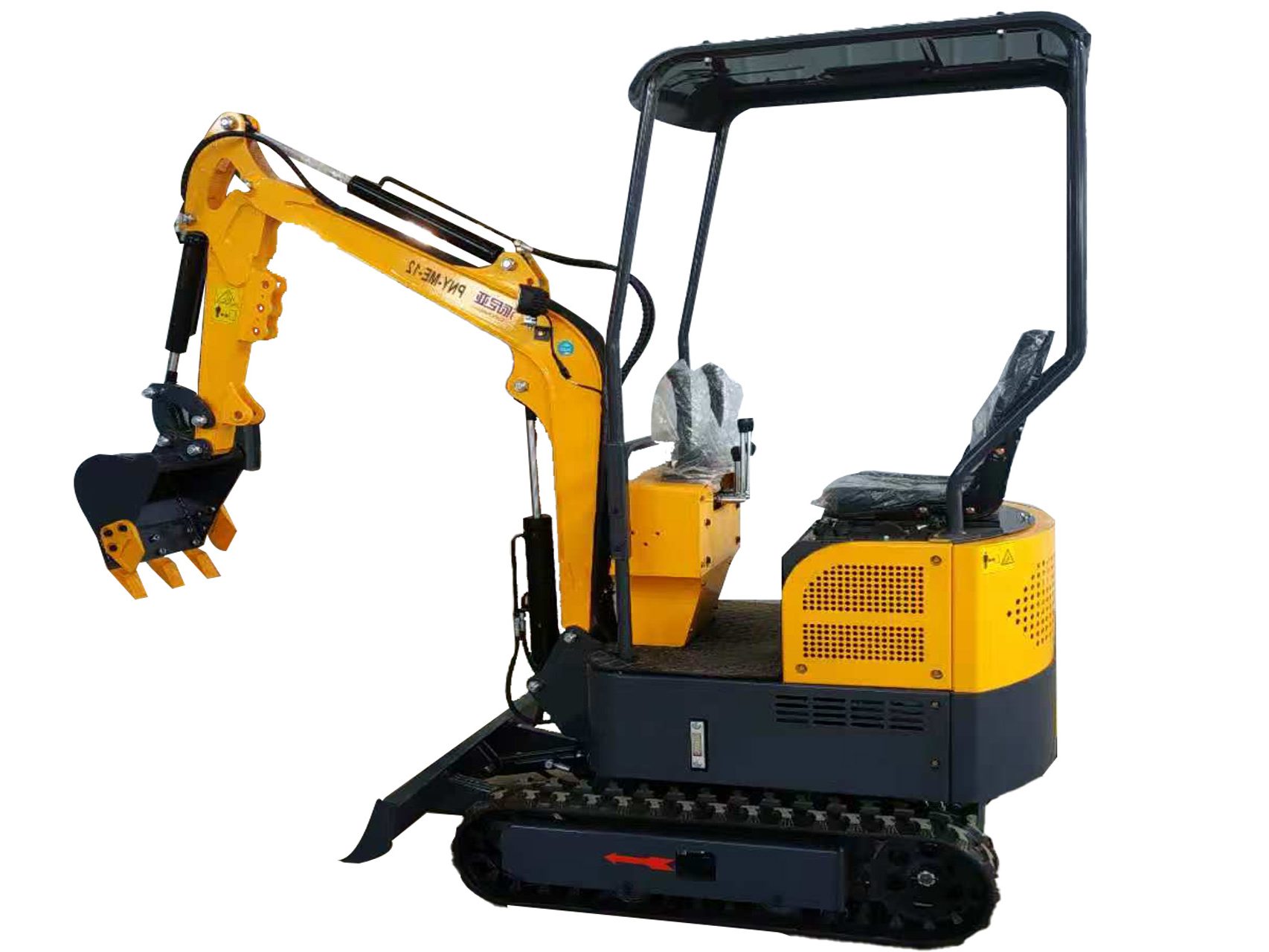 PNY-ME-12B mini small micro crawler diesel excavator
 -
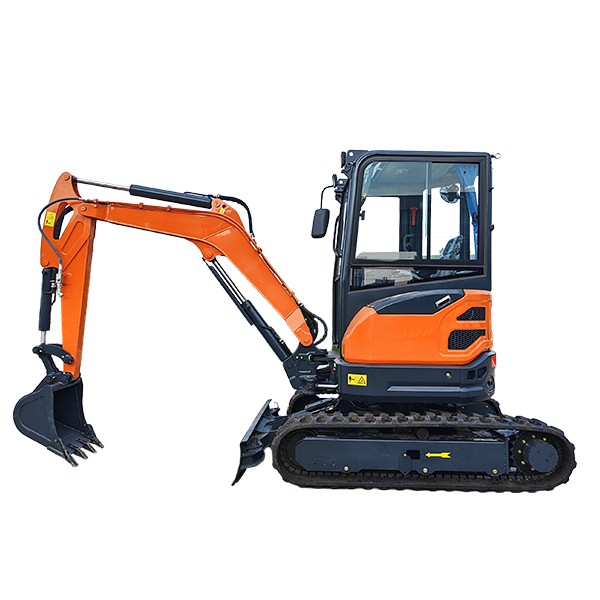 PNY-ME-330B Kubota Crawler Compact Diesel Excavator
Relatedsearch
Related Search- Mini excavator direct source
- Leading Country Buyer of OEM kW Bulldozers
- Top countries buying Kubota diesel excavators from China
- Eco-excavator Kubota
- Cheap concrete demolition excavators from leading buying countries
- Main Buyers of OEM Sewer Mini Excavators
- China's leading buyer of construction equipment excavators
- OEM high precision turning mini excavator home country of purchase
- Frequency of maintenance of cheap excavators of the country's main buyers
- Cheap Quick Change Couplers for Mini Excavators from Top Buying Countries