
-
Email
dawson.qi@sdpioneer.com -
whatsapp
+8613953811377

-


+86 139 5381 1377

-


+86139-531-1377

-


+86 139 5381 1377

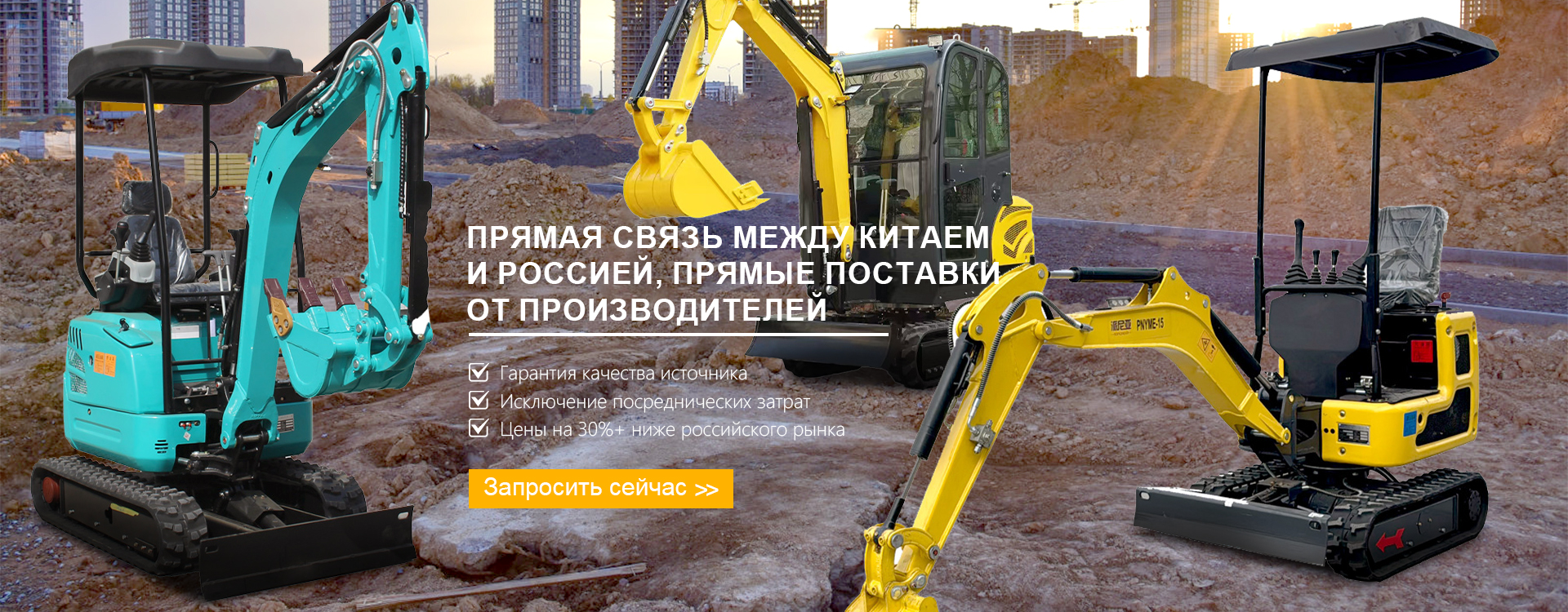
buy rubber track
Choosing the right onerubber trackfor your construction equipment – a task that requires attention to detail. The performance, safety and durability of your equipment depend on the right choice. In this article we will look at the key aspects of selection and purchaserubber tracksso that you can make informed choices that best suit your needs. We will discuss typesrubber tracks, their characteristics, factors influencing the choice, and also provide useful tips on operation and care.
Types and characteristicsrubber tracks
Rubber tracksThere are different types, each of which is designed for specific operating conditions and types of equipment. There are:
- Standard tracks:Suitable for most types of work and surfaces.
- Tracks with reinforced tread:Designed to work on difficult surfaces such as rocky terrain or construction sites with large amounts of debris.
- Low vibration tracks:Provide more comfortable work for the operator and reduce noise levels.
Main characteristics worth paying attention to:
- Size and width:Must meet your equipment specifications.
- Tread depth:Affects adhesion to the surface.
- Number of links:Determines the length of the track.
- Material:Mainly high-strength rubber with the addition of steel cord is used.
Factors influencing choicerubber track
When choosingrubber trackThe following factors must be taken into account:
- Type of equipment:Mini excavators, loaders, pavers and other equipment require different types of tracks.
- Operating conditions:Ground work, asphalting, work in the forest - each type of work requires its own caterpillar.
- Surface type:Mud, sand, asphalt, rocks - each type of surface requires a specific tread and rubber composition.
- Load:The maximum load capacity of the equipment must be taken into account.
- Budget:Pricerubber trackmay vary depending on its characteristics and manufacturer.
Wherebuy rubber track: supplier selection
Choosing a reliable supplier is an important step when purchasingrubber tracks. Please note the following points:
- Supplier reputation:Study customer reviews, find out about the supplier’s experience in the market.
- Assortment:The supplier should have a wide selection of tracks of different types and sizes.
- Warranty:The presence of a product warranty is an indicator of quality.
- Service:The supplier shall provide advice on track selection, installation and maintenance.
- Prices:Compare prices from different suppliers to find the best value for your money. On the websiteShandong Paynia Construction Machinery Co.,Ltd, you can see the range and prices forrubber tracks.
Tips for use and carerubber tracks
Correct use and carerubber trackswill extend their service life and reduce equipment maintenance costs:
- Check track tension regularly:Too little or too much tension can cause damage to the tracks and undercarriage.
- Clean the tracks from dirt and debris:This will avoid damage and improve traction.
- Avoid sharp turns on hard surfaces:This can lead to premature wear of the tracks.
- Avoid overloading equipment:Overloading can damage the tracks and undercarriage.
- Inspect the tracks regularly for damage:If cracks, cuts or other damage are detected, they must be promptly repaired or the track replaced.
Comparison table examplerubber tracksdifferent manufacturers
| Manufacturer | Model | Size (width x pitch x number of links) | Application | Features |
|---|---|---|---|---|
| Bridgestone | MEO-20 | 230x72x43 | Mini excavators | High wear resistance |
| Camoplast (Solideal) | CTT HAULER HD | 450x81x76 | Compact Loaders | Reinforced cord, for harsh conditions |
| ITR | ITR USCO | 300x52.5x80 | Mini excavators | Good value for money |
Conclusion
Selection and purchaserubber track– a responsible process that requires taking into account many factors. We hope this article helped you understand the main aspects and make the right choice for your equipment. Remember that proper selection and carerubber tracks– the key to long and efficient operation of your equipment.
Correspondingproducts
Related Products


Best Sellingproducts
Best Selling Products-
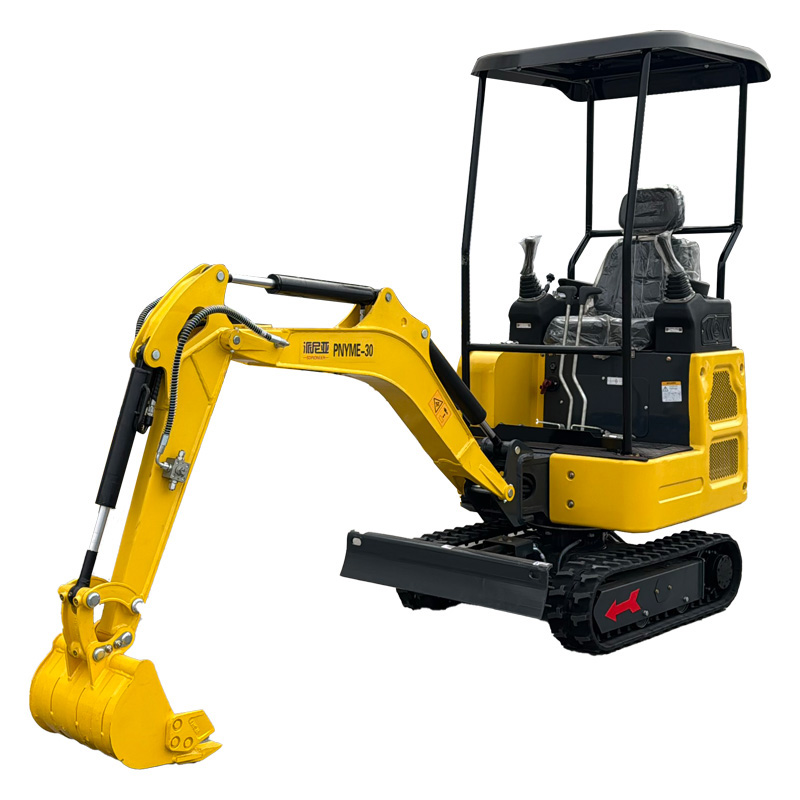 PNY-ME-30R Kubota small micro crawler diesel excavator
 -
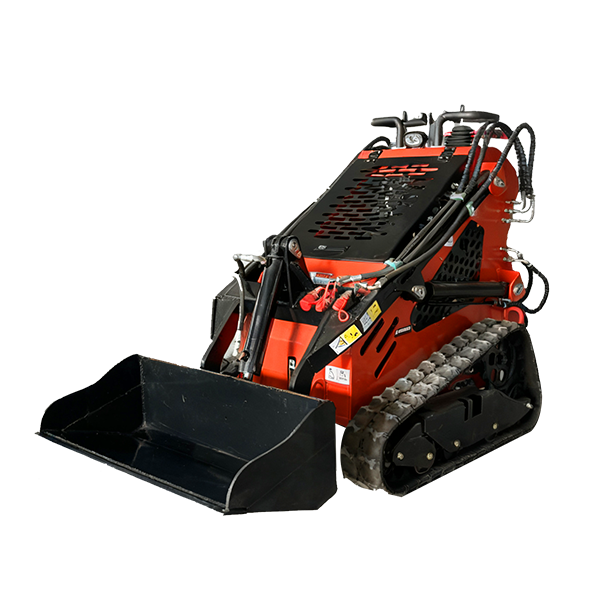 PNY-SL-360 three-track skid steer loader
 -
 Scrubber dryer model 750S with electronic brake
 -
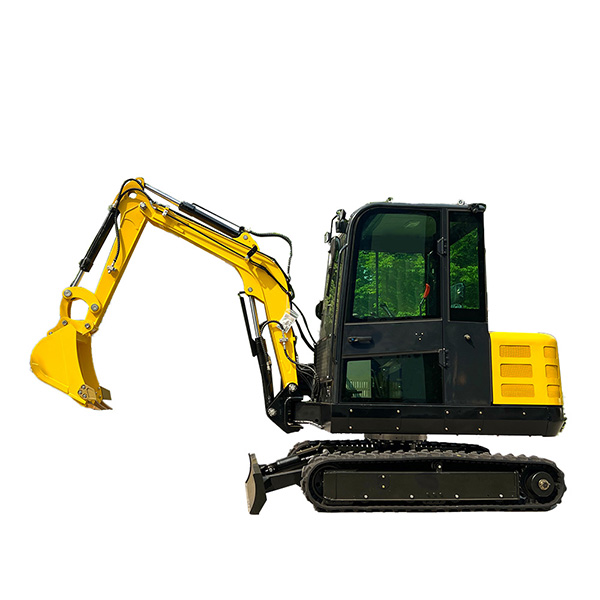 PNY-ME-330A Kubota Crawler Compact Diesel Excavator
 -
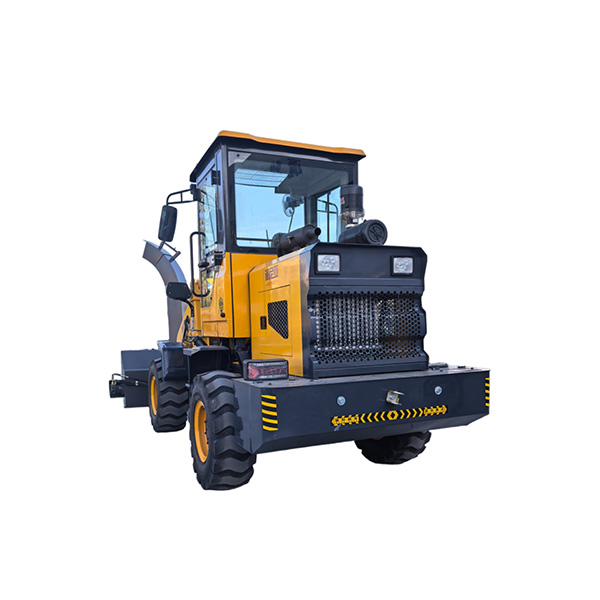 Loader based snow plow
 -
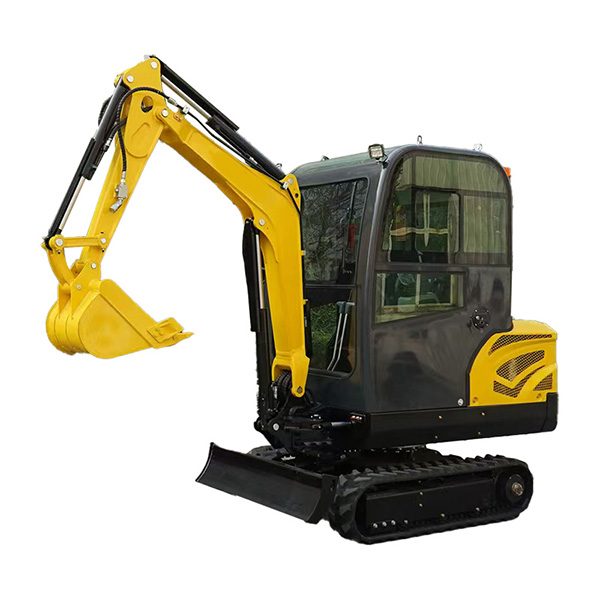 PNY-ME-325A Kubota Crawler Compact Diesel Excavator
 -
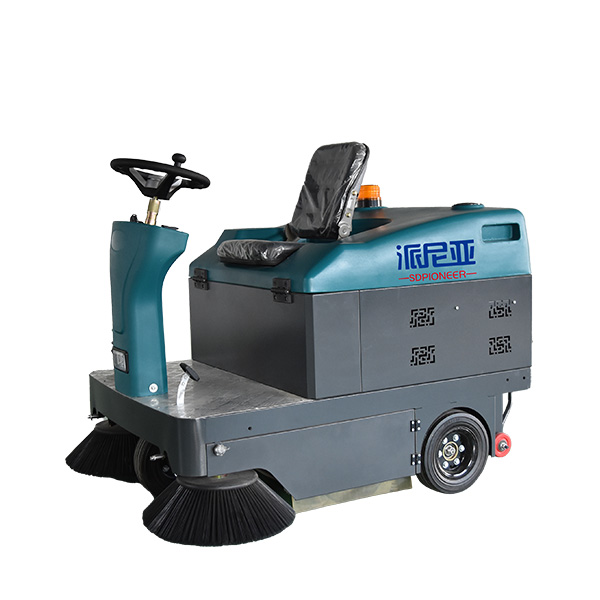 Automatic scrubber dryer model 1450 with one button start
 -
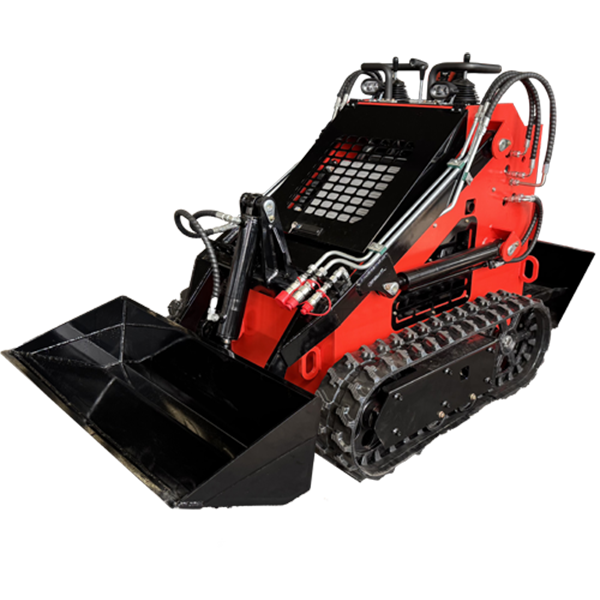 PNY-SL-420A Skid Steer Loader
 -
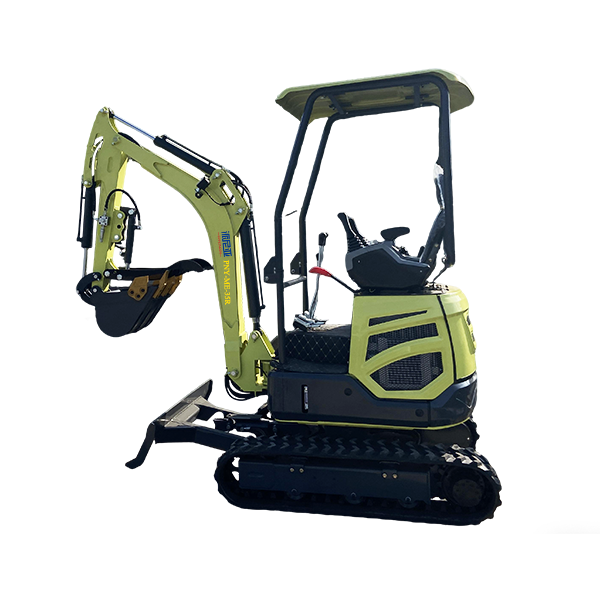 PNY-ME-35R mini excavator (customizable)
 -
 PNY-BD-D220 Hydraulic Crawler Dozer
 -
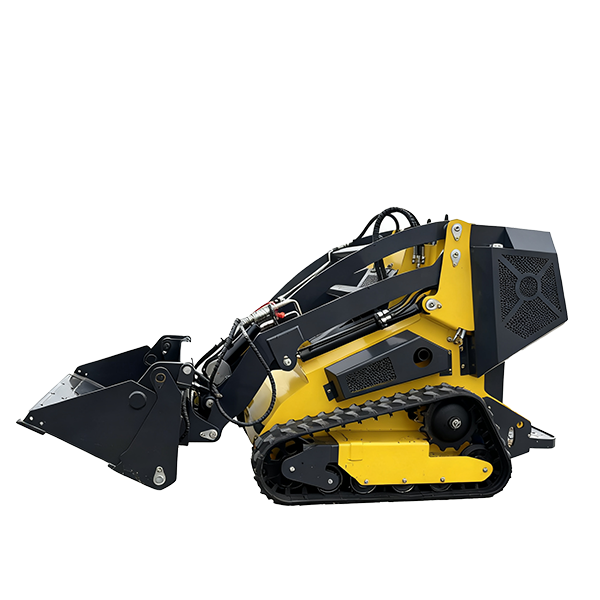 PNY-SL-460 Skid Steer Loader
 -
 PNY-BD-D260 Hydraulic Crawler Dozer
Relatedsearch
Related Search- Top OEM Mini Excavator Buying Countries Regional
- Top Buying Countries for Kubota Mini Excavators in China
- Top Buying Countries for OEM Dozer 5
- Mini excavator OEM high strength structural components
- diesel engines on rubber tracks
- Leading country buyer of cheap compacting excavators
- Leading Buyers of OEM Excavator Swing Speed
- Top buyers of mini excavators for landscaping in China
- Cheap Mini Excavators for Villa Construction in Major Buying Countries
- China's leading buyer of earthmoving excavators