
-
Email
dawson.qi@sdpioneer.com -
whatsapp
+8613953811377

-


+86 139 5381 1377

-


+86139-531-1377

-


+86 139 5381 1377

Hydraulic hammer
Hydraulic hammeris a powerful tool used to break up hard materials such as stone, concrete and asphalt. In this article we will look at the main typeshydraulic hammers, their application, selection criteria, rules for safe operation and maintenance. We will also provide useful tips and recommendations from experts at Shandong Paynia Construction Equipment LLC (sdpioneer.ru), a leading supplier of construction equipment in Russia.
What ishydraulic hammerand where is it used?
Hydraulic hammer, also known as a hydraulic hammer, is an attachment for excavators, loaders and other types of construction equipment. It converts hydraulic energy into mechanical energy, allowing it to strike the surface being treated with high force.
Main Applicationshydraulic hammers:
- Destruction of concrete and reinforced concrete structures.
- Opening up asphalt pavement during road works.
- Development of frozen soils.
- Destruction of rocks during mining.
- Demolition of buildings and structures.
- Installation of piles and other elements during the construction of foundations.
Typeshydraulic hammers
There are several typeshydraulic hammers, differing in design, principle of operation and characteristics. The choice of the appropriate type depends on the specific task and the type of equipment used.
Based on the operating principle:
- Mechanicalhydraulic hammers: These hammers use a mechanical impact mechanism driven by a hydraulic motor. They are distinguished by their simplicity of design and reliability.
- Hydraulichydraulic hammers: In these hammers, the impact is generated by the energy of compressed hydraulic fluid. They are more powerful and productive than mechanical ones, but also more difficult to maintain.
- Hydropneumatichydraulic hammers: Combines the principles of hydraulic and pneumatic shock. Provides high impact frequency and efficiency when working with hard materials.
By weight and power:
- Lungshydraulic hammers: Designed for small excavators and loaders, used for demolition work, breaking up asphalt and other light tasks.
- Averagehydraulic hammers: Versatile type, suitable for a wide range of applications including demolition of concrete, rock and frozen soil.
- Heavyhydraulic hammers: Used on large excavators to perform complex and voluminous work, such as quarrying and demolition of large structures.
How to choosehydraulic hammer: Key criteria
Choosing the right onehydraulic hammer– an important task on which the efficiency and safety of work depends. When choosing, consider the following factors:
- Excavator Compatible: Make surehydraulic hammersuitable in weight, dimensions and hydraulic parameters for your excavator.
- Type of work: Determine what tasks it will be used forhydraulic hammer. Different types of work require different types and power of hammers.
- Power and impact energy: Choosehydraulic hammerwith sufficient power and impact energy to effectively destroy the material being processed.
- Beat frequency: High impact frequency is important for increased productivity when working with hard materials.
- Idle protection system: This system prevents damagehydraulic hammerwhen running idle.
- Reliability and durability: Choosehydraulic hammerfrom well-known manufacturers with a good reputation. Pay attention to the quality of materials and workmanship.
- Availability of spare parts and service: Make sure you have access to parts and service in your area.
- Price: Compare prices for different modelshydraulic hammersand choose the best value for money.
Technical characteristics of popular modelshydraulic hammers
To compare the characteristics of popular modelshydraulic hammers, we suggest that you familiarize yourself with the data in the table below. Data taken from the official websites of manufacturers.
| Model | Excavator weight (tons) | Hammer weight (kg) | Impact energy (J) | Impact frequency (bpm) |
|---|---|---|---|---|
| Pioneer Top 20 | 18-25 | 1400 | 3500 | 400-600 |
| Furukawa HB20G | 18-25 | 1350 | 3200 | 450-750 |
| Atlas Copco HB 2200 | 22-32 | 1500 | 4000 | 400-700 |
*Data may vary depending on version.
Rules for safe operationhydraulic hammer
Safety when working withhydraulic hammer– this is a priority. Following safe operating procedures will help avoid injury and equipment damage.
- Training and instruction: All operators must be trained and instructed in safe operationhydraulic hammer.
- Use of personal protective equipment: Operators must use personal protective equipment such as hard hat, safety glasses, ear protection and gloves.
- Inspection before starting work: Before starting work, you must inspecthydraulic hammerfor damage and make sure it is in good condition.
- Security zone: Around the work areahydraulic hammera safety zone must be established in which people are prohibited.
- Correct installation of the chisel: The chisel must be installed correctly and securely.
- Idling prevention: Don't allow workhydraulic hammeridle, as this may damage it.
- Regular Maintenance: Perform regular maintenancehydraulic hammerin accordance with the manufacturer's instructions.
Maintenancehydraulic hammer
Regular maintenance is the key to long and reliable operationhydraulic hammer. It includes the following activities:
- Daily inspection: Before starting work, daily inspection must be carried out.hydraulic hammerfor damage, oil leaks and other malfunctions.
- Lubrication: Regularly lubricate all rubbing partshydraulic hammerin accordance with the manufacturer's instructions.
- Oil change: Change the hydraulic oil regularlyhydraulic hammerin accordance with the manufacturer's recommendations.
- Replacing filters: Change the filters in the hydraulic system regularlyhydraulic hammerto keep the oil clean.
- Checking and replacing the chisel: Check the condition of the chisel regularly and replace it if necessary.
- Checking and tightening bolts and nuts: Regularly check and tighten the bolts and nuts onhydraulic hammerto prevent them from weakening.
Expert Advice Shandong Paynia Construction Machinery Co.,Ltd
ExpertsShandong Paynia Construction Machinery Co.,Ltdrecommended for usehydraulic hammersadhere to the following tips:
- Use only high-quality hydraulic oil recommended by the manufacturerhydraulic hammer.
- Avoid overheatinghydraulic hammer. When working for long periods of time, take breaks to cool down.
- Monitor the condition of the hydraulic system hoses. Replace them if cracked or damaged.
- During transportationhydraulic hammersecurely fasten it to the platform.
- Contact the service center for qualified maintenance and repairs.hydraulic hammer.
Conclusion
Hydraulic hammeris an indispensable tool for performing a wide range of construction and dismantling work. Correct selection, operation and maintenancehydraulic hammerwill ensure its long and reliable operation. Contact the specialists of Shandong Paynia Construction Equipment LLC for advice and purchase of high-quality construction equipment.
Correspondingproducts
Related Products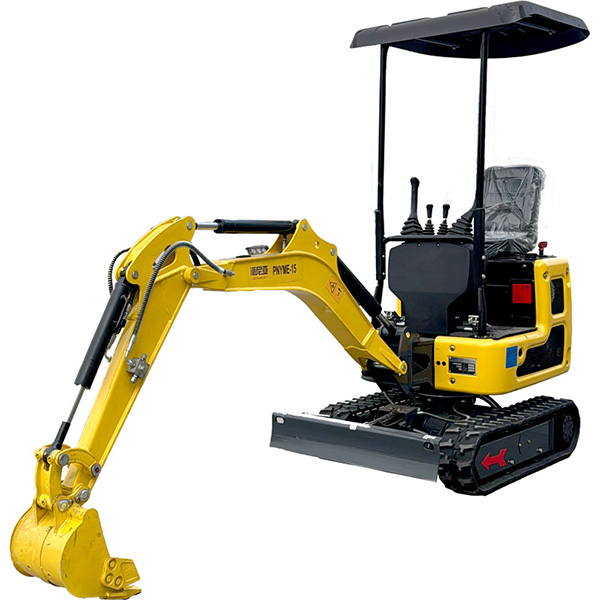
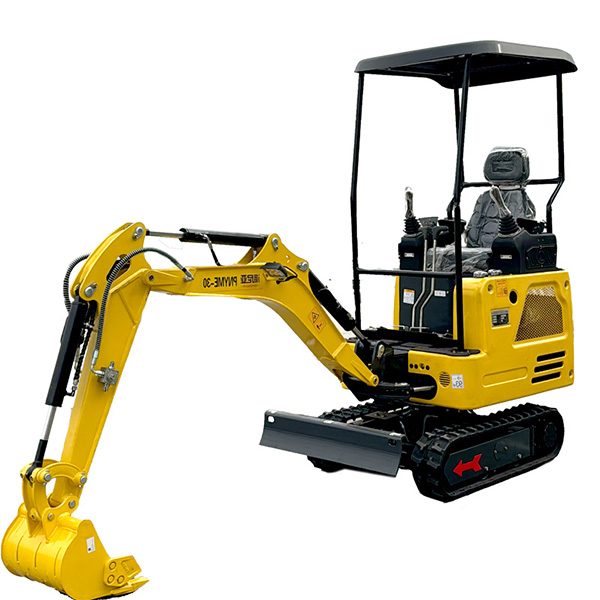
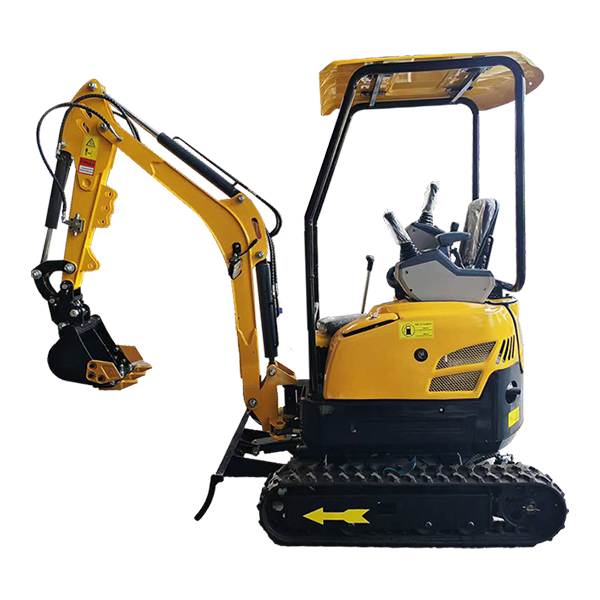
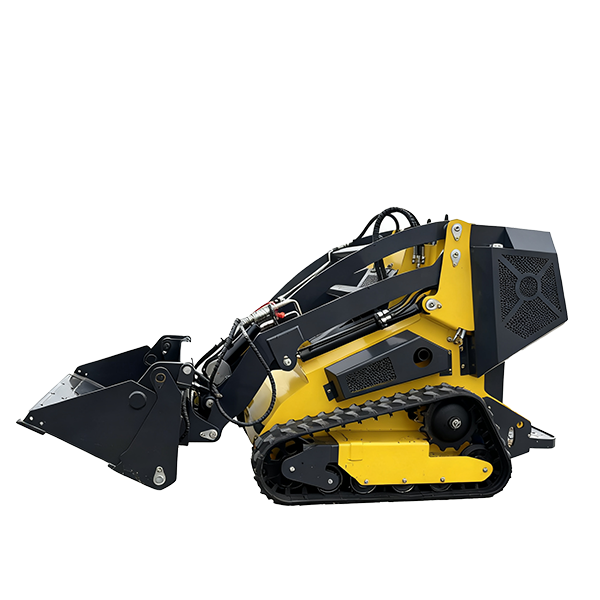
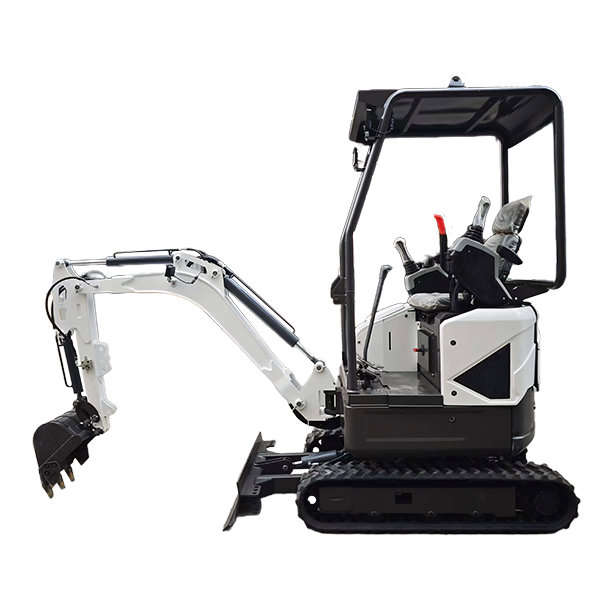
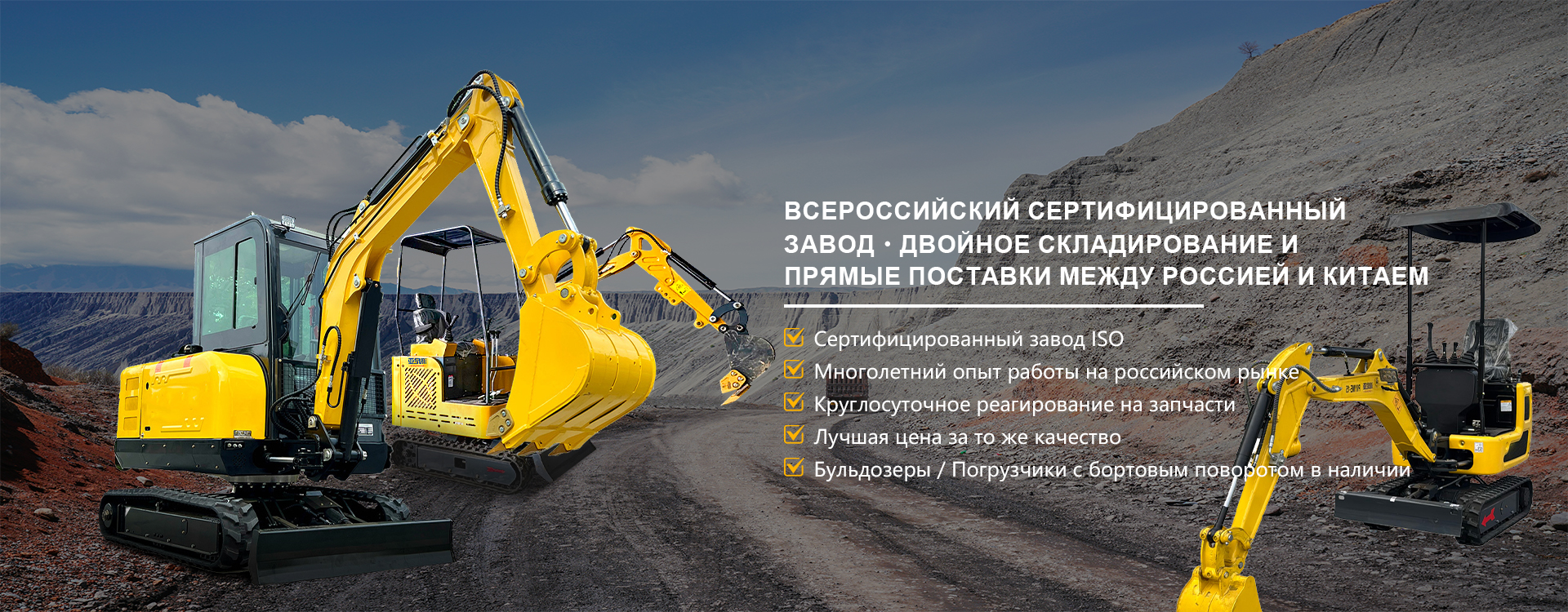
Best Sellingproducts
Best Selling Products-
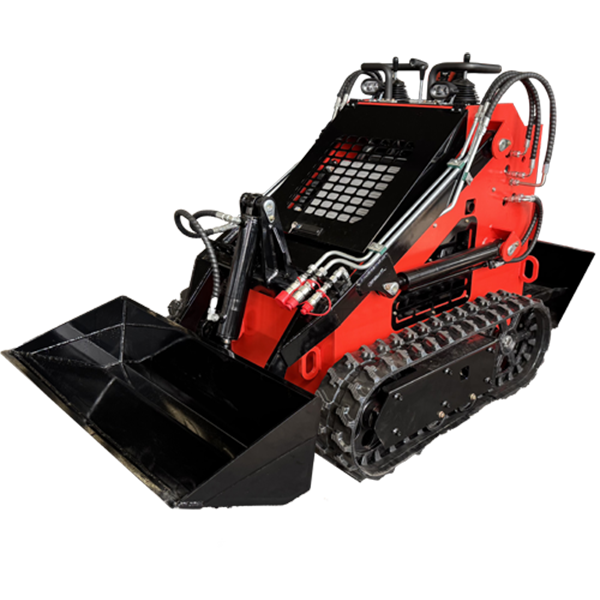 PNY-SL-380A Skid Steer Loader
 -
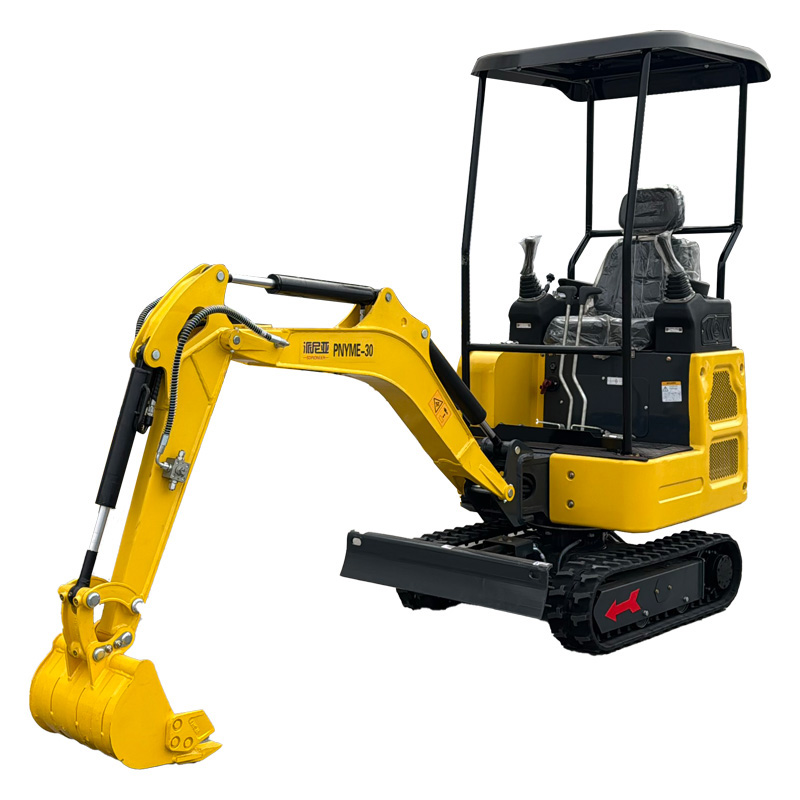 PNY-ME-30R Kubota small micro crawler diesel excavator
 -
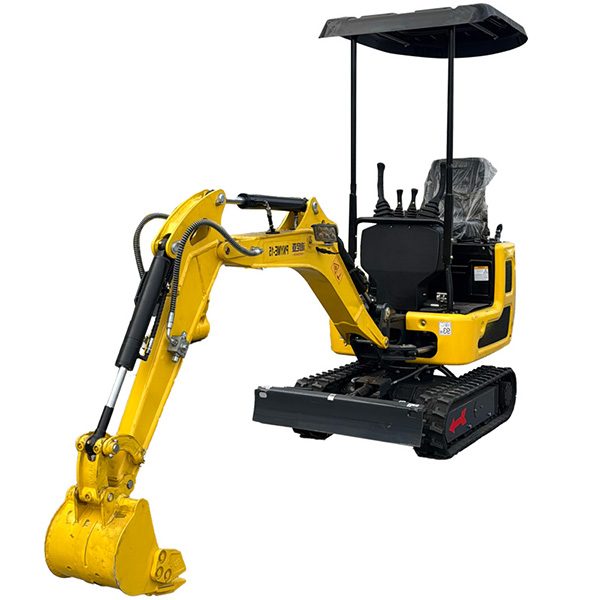 PNY-ME-15B crawler diesel mini excavator
 -
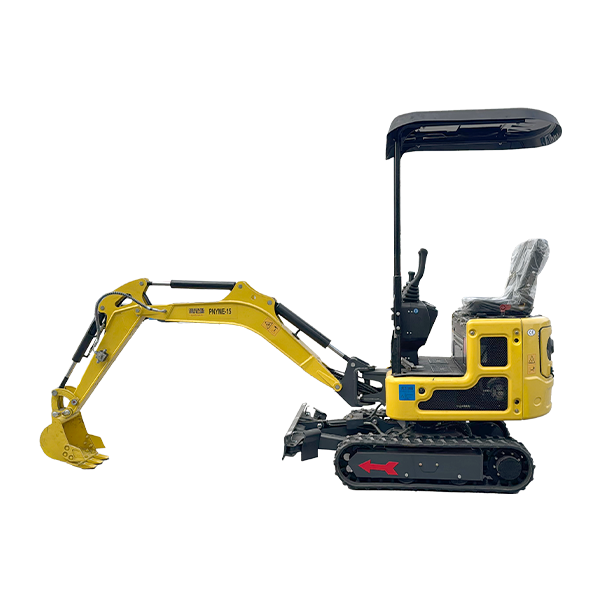 PNY-ME-15G mini crawler gasoline excavator
 -
 PNY-BD-D320 Hydraulic Crawler Dozer
 -
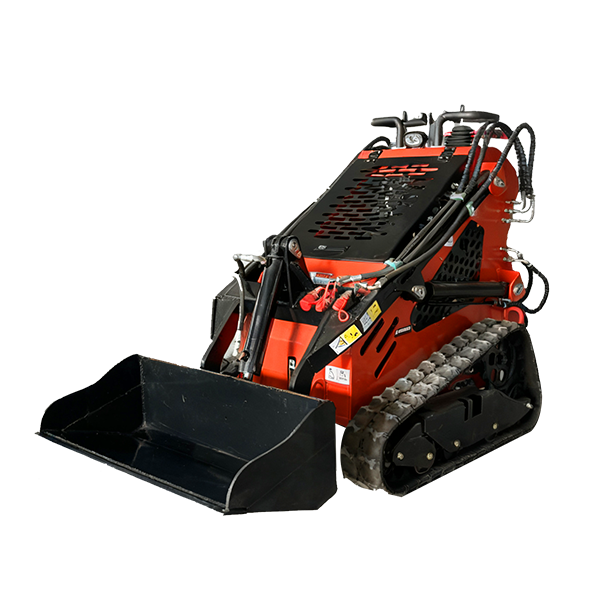 PNY-SL-360 three-track skid steer loader
 -
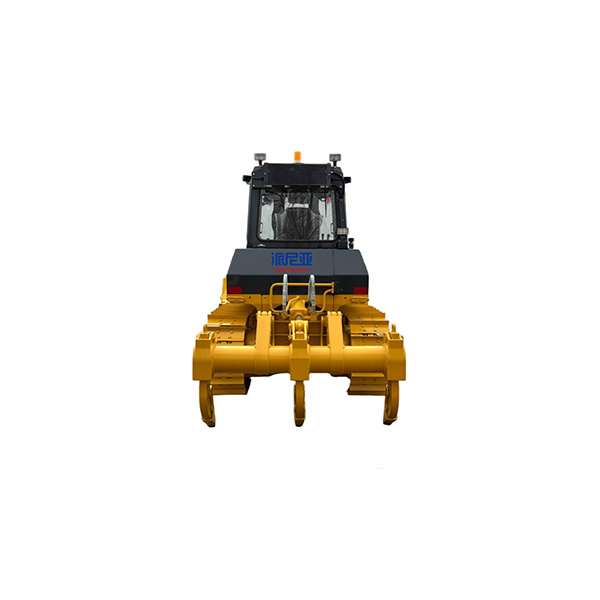 PNY-BD-D350 Hydraulic Crawler Dozer
 -
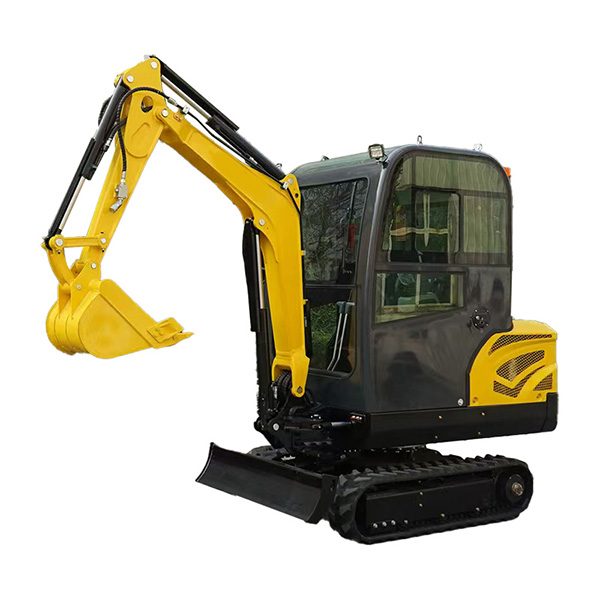 PNY-ME-325A Kubota Crawler Compact Diesel Excavator
 -
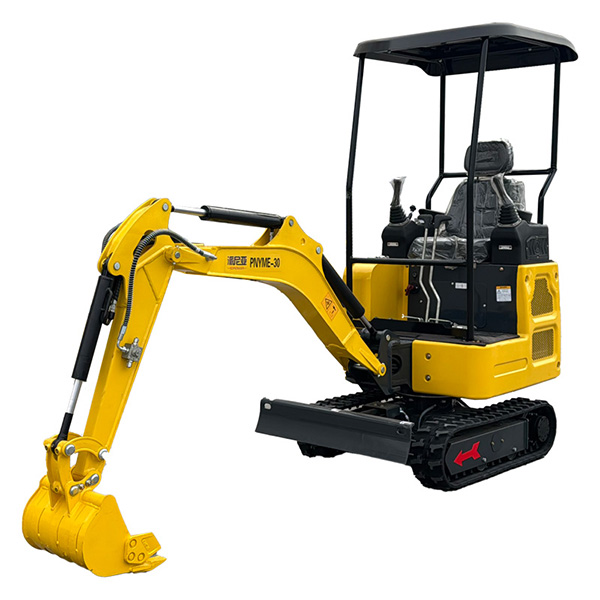 PNY-ME-30B small micro crawler diesel excavator
 -
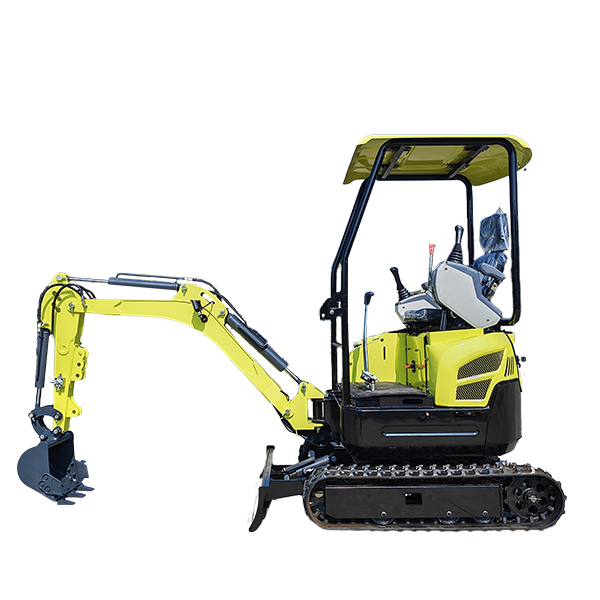 PNY-ME-17B small micro crawler diesel excavator
 -
 Scrubber dryer model 750S with electronic brake
 -
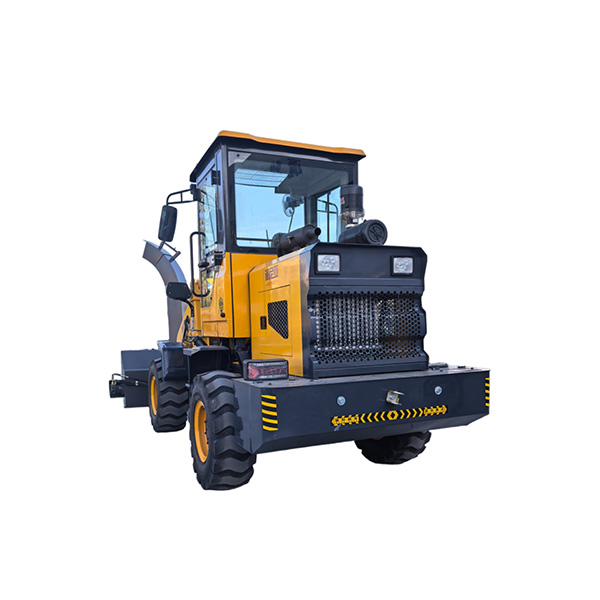 Loader based snow plow
Relatedsearch
Related Search- buy mini excavator kubota
- Top countries buying skid steers from China
- Leading Buyers of Mini Construction Equipment from China
- The main buyer of high-quality OEM excavators (Moscow)
- First-hand source from mini excavator manufacturers
- Cheap Mini Excavators with Cabin - Top Buying Countries
- Top Buying Countries for OEM Komatsu Mini Excavators
- Best kw bulldozer buyers in China
- Cheap main buying countries for snow blowers with good maneuverability
- Kubota Mini Excavator with Cooling