
-
Email
dawson.qi@sdpioneer.com -
whatsapp
+8613953811377

-


+86 139 5381 1377

-


+86139-531-1377

-


+86 139 5381 1377

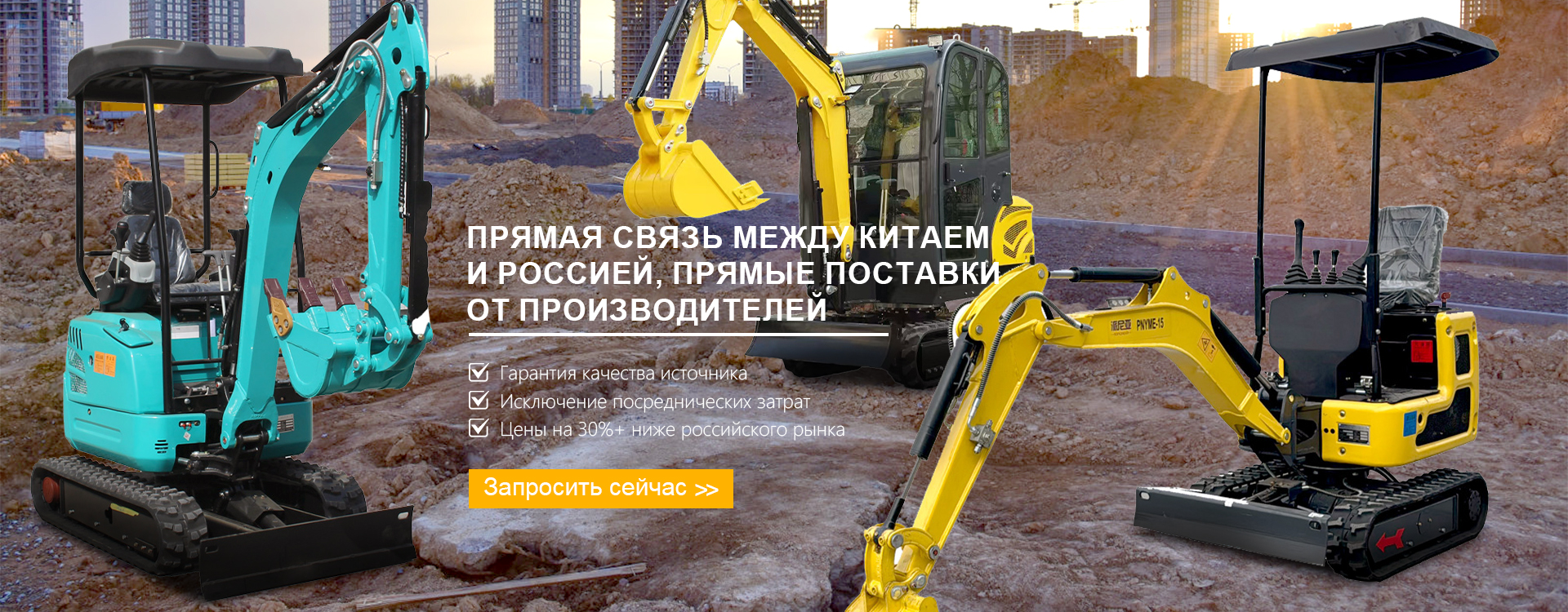
Excavator digging
Excavator diggingis a complex process that requires knowledge and experience from the operator. In this article, we'll look at the basics of choosing an excavator, effective digging techniques, and important operation and maintenance considerations to ensure the longevity and productivity of your equipment. Learn how to optimize your digging process and avoid common mistakes.
Choiceexcavatorfor digging: key factors
Choosing the right oneexcavatoris the first and most important step for successful earthmoving work. There are many factors to consider in order to purchase equipment that will suit your needs and budget.
Typesexcavatorsand their application
There are several main typesexcavators, each of which is intended for certain types of work:
- Trackedexcavators:Provide excellent maneuverability and stability on uneven surfaces. Ideal for work on construction sites, quarries and rough terrain.
- Wheeledexcavators:They are distinguished by high maneuverability and speed of movement on roads. Suitable for work in urban environments and at sites where frequent movement of equipment is required.
- Miniexcavators:Compact and lightweight, ideal for working in confined spaces, for example when laying communications or landscaping.
- Backhoe loaders:Universal technology that combines functionsexcavatorand front loader. Suitable for a wide range of tasks.
Specifications and performance
When choosingexcavatorThe following technical specifications must be taken into account:
- Engine power:Impacts performanceexcavatorand its ability to work with different types of soil.
- Digging depth:Defines the maximum depth to whichexcavatorcan dig.
- Unloading height:Important when loading soil into dump trucks or other vehicles.
- Bucket volume:Determines the amount of soil thatexcavatorcan dig in one go.
- Digging radius:Shows the maximum distance thatexcavatorcan dig from its own axis.
It is recommended to familiarize yourself with the technical characteristics of various modelsexcavatorson the manufacturer’s website, for example, Shandong Paynia Construction Equipment LLC (https://www.sdpioneer.ru/), where a wide range of construction equipment is presented.
Factors influencing choiceexcavator
When choosingexcavatorThe following factors should also be taken into account:
- Soil type:To work with hard soil, more powerfulexcavatorswith reinforced buckets.
- Scope of work:Large projects require more productiveexcavators.
- Operating conditions:When working in confined spaces or on uneven surfaces, choose compact and maneuverable models.
- Budget:Costexcavatormay vary significantly depending on its type, technical characteristics and manufacturer.
Effective Digging Techniquesexcavator
Proper digging technique improves productivityexcavator, reduce fuel consumption and reduce equipment wear.
Basic digging techniques
There are several basic digging techniques, each suitable for specific conditions:
- Digging with a straight shovel:Most effective for working with hard soil.
- Digging with a backhoe:Suitable for digging trenches and pits.
- Digging with a grab:Used for loading bulk materials and excavating soil from wells and pits.
Optimizing the digging process
To optimize the digging process, you should adhere to the following recommendations:
- Choosing the right bucket:Use a bucket that is appropriate for the type of soil and the size of the job.
- Optimal trajectory:Avoid sudden movements and overloads.
- Speed adjustment:Operate at the optimal speed to ensure maximum performance and minimum fuel consumption.
- Correct positionexcavator:Installexcavatoron a level surface and ensure stability.
Tips for safe digging
When working withexcavatorSafety rules must be followed:
- Checking the working area:Make sure there are no people, obstacles or underground utilities in the work area.
- Use of protective equipment:Wear a hard hat, safety glasses and protective clothing.
- Compliance with operating rules:Follow the manufacturer's instructions and do not exceed permissible loads.
- Regular inspection of equipment:Check the conditionexcavatorbefore starting work and correct faults in a timely manner.
Operation and Maintenanceexcavator
Proper operation and regular maintenance are the key to durability and reliable operation.excavator. Timely maintenance helps prevent serious damage and reduce repair costs.
Regular Maintenance
Regular maintenance includes the following activities:
- Checking the oil and other fluid levels:Maintain optimal levels of all fluids.
- Replacing filters:Change oil, fuel and air filters in a timely manner.
- Lubrication of components and mechanisms:Regularly lubricate all components and mechanisms to reduce wear.
- Checking the condition of tires or tracks:Monitor the condition of tires or tracks and make timely repairs or replacements.
- Electrical system check:Check the condition of the battery, wires and other elements of the electrical system.
It is recommended to check the maintenance schedule in the operating manualexcavator.
Troubleshooting
In case of malfunction, you must stop work immediatelyexcavatorand carry out diagnostics. Minor faults can be fixed on your own, but major breakdowns should be entrusted to qualified specialists.
Extending service lifeexcavator
To extend service lifeexcavatorThe following recommendations should be followed:
- Correct use:Avoid overload and sudden movements.
- Regular Maintenance:Carry out all necessary maintenance work promptly.
- Use of quality spare parts:When making repairs, use only original or certified spare parts.
- Storage under proper conditions:Storeexcavatorin a dry and ventilated area or under a canopy.
Examples of useexcavatorin various industries
Excavatorswidely used in various industries and construction. Let's look at a few examples:
Construction
In constructionexcavatorsare used for digging pits, trenches, preparing sites for the construction of buildings and structures, as well as for loading and unloading building materials.
Mining industry
In the mining industryexcavatorsused for excavating minerals, loading rock mass and preparing sites for mining.
Agriculture
In agricultureexcavatorsused for digging irrigation canals, preparing soil for planting crops and constructing agricultural structures.
Utilities
In public utilitiesexcavatorsare used for laying and repairing utility networks, cleaning areas and performing other work.
Conclusion
Selection, operation and maintenanceexcavatorare important aspects of successful earthmoving operations. We hope this article has helped you gain useful information in selecting the appropriate technique and learning how to use it effectively and safely. Remember that the right choice and timely serviceexcavator– the key to its durability and high performance.
Correspondingproducts
Related Products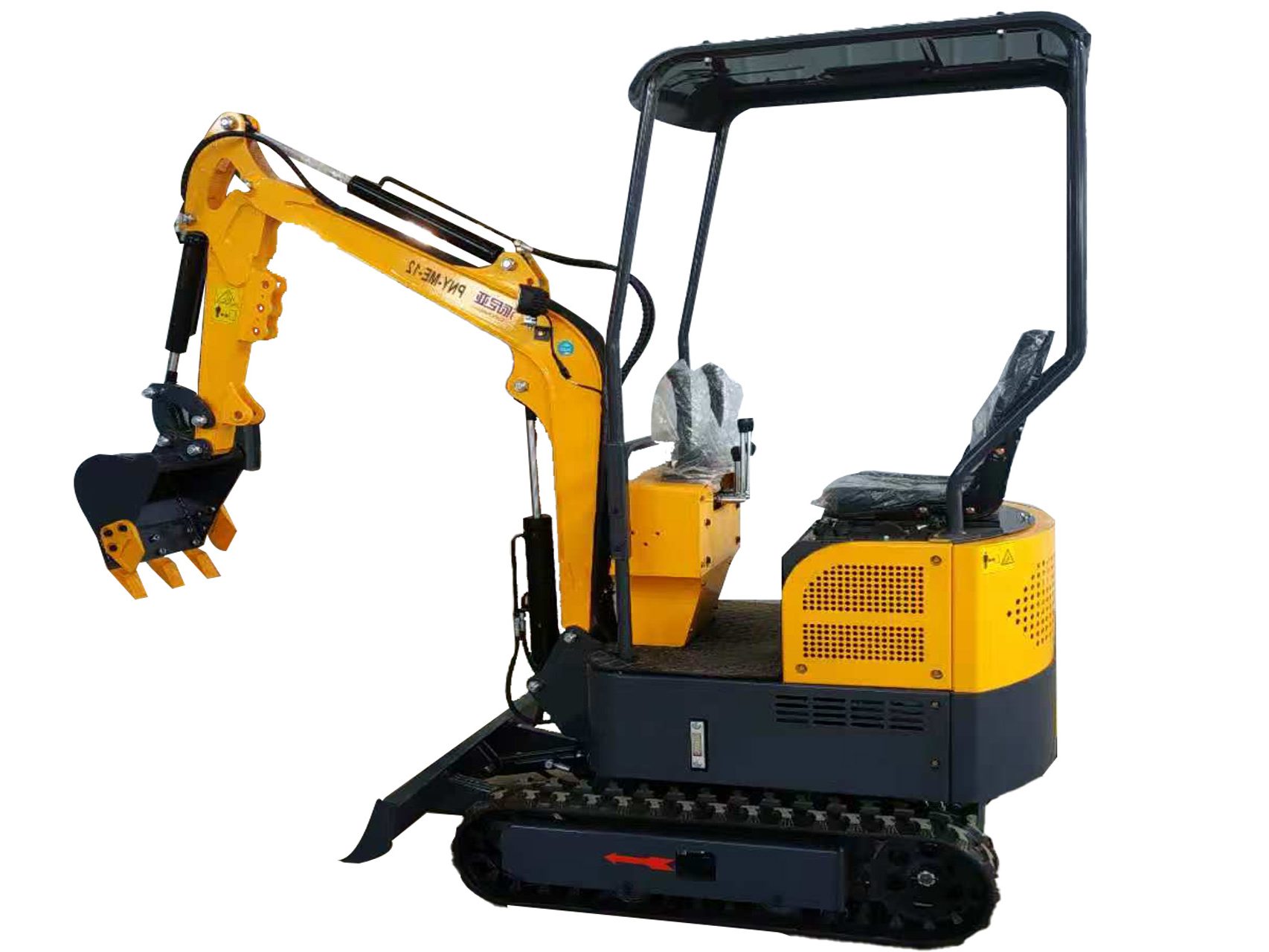

Best Sellingproducts
Best Selling Products-
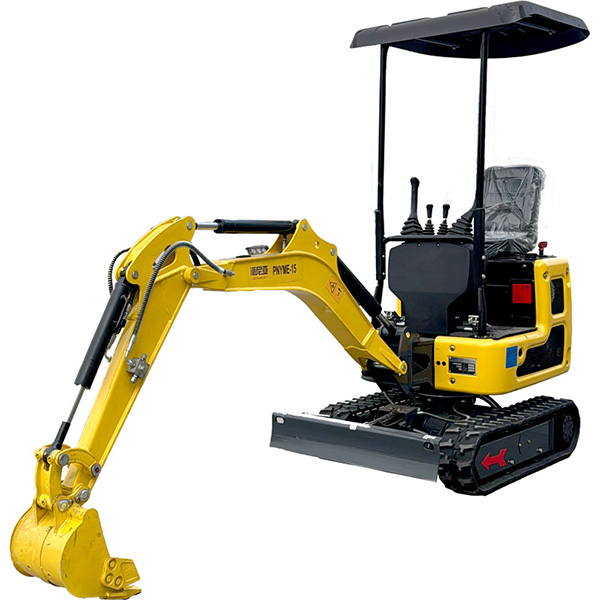 PNY-ME-15A mini crawler gasoline excavator
 -
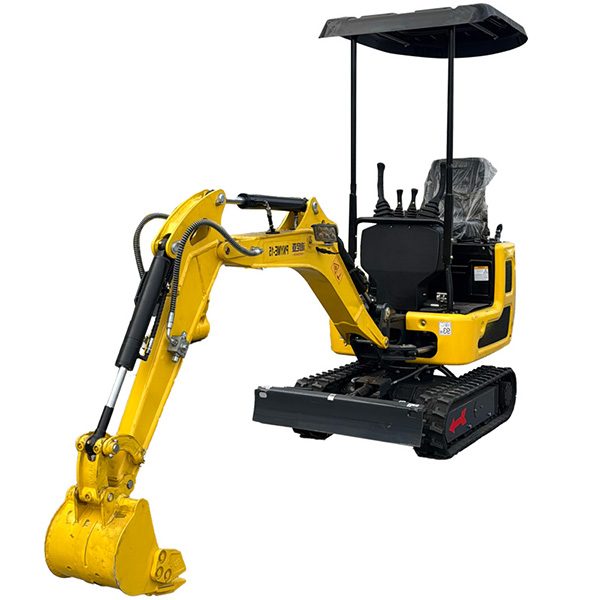 PNY-ME-15B crawler diesel mini excavator
 -
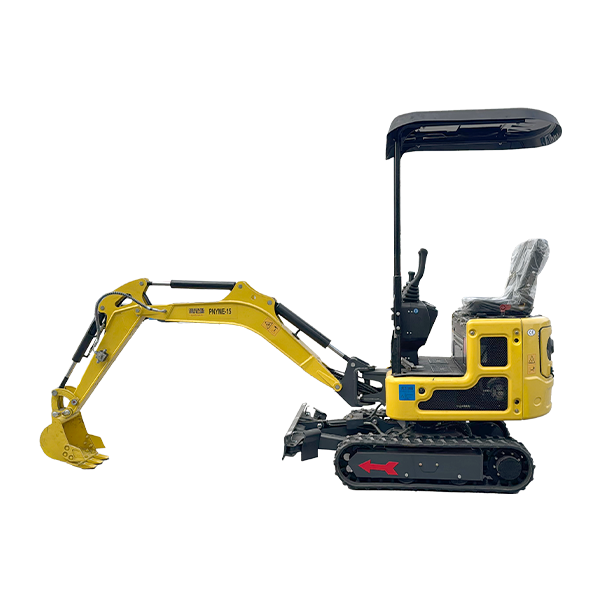 PNY-ME-15R crawler diesel mini excavator
 -
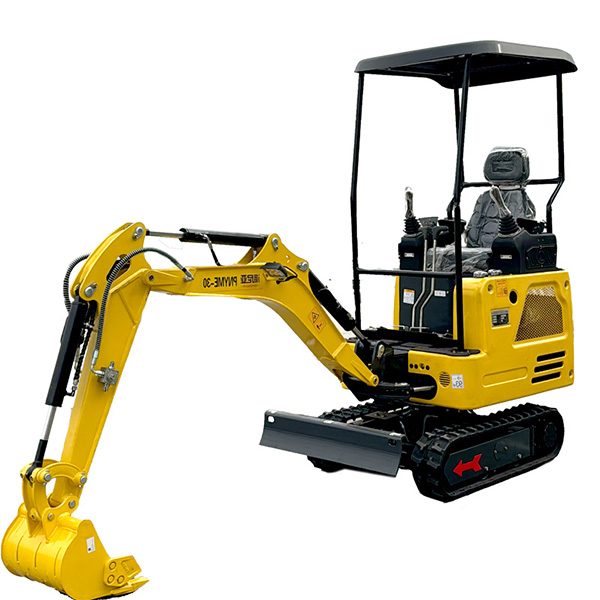 PNY-ME-30A small micro crawler diesel Kubota excavator
 -
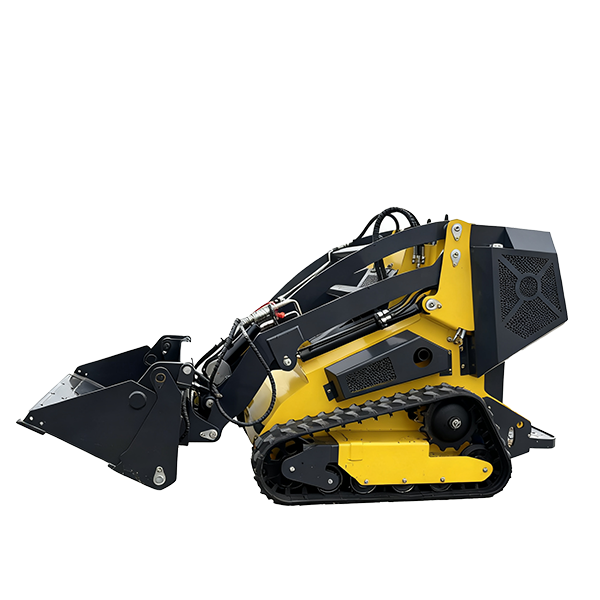 PNY-SL-460 Skid Steer Loader
 -
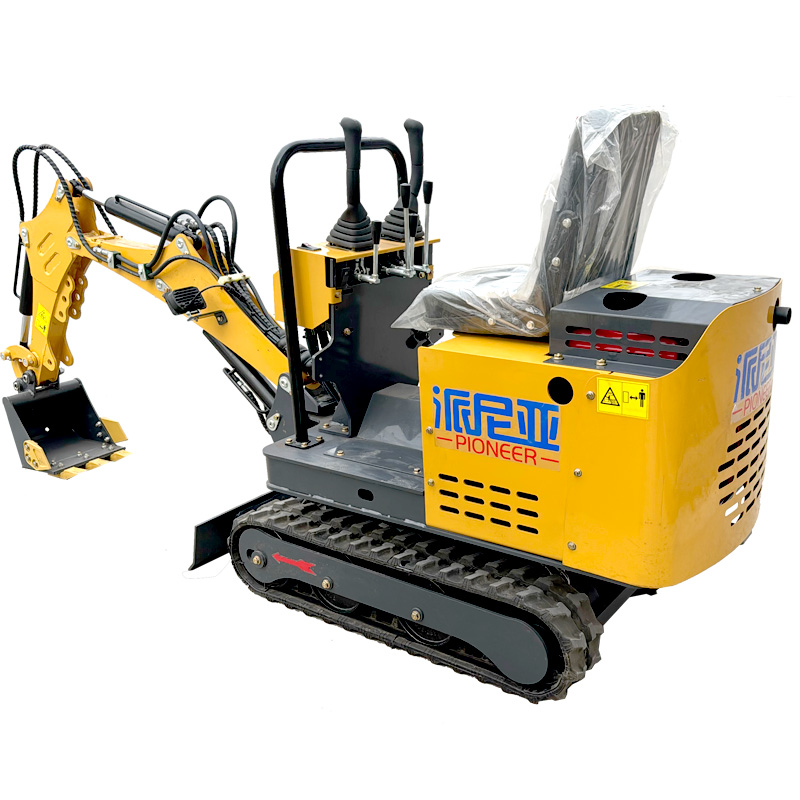 PNY-ME-08A mini small micro crawler diesel excavator
 -
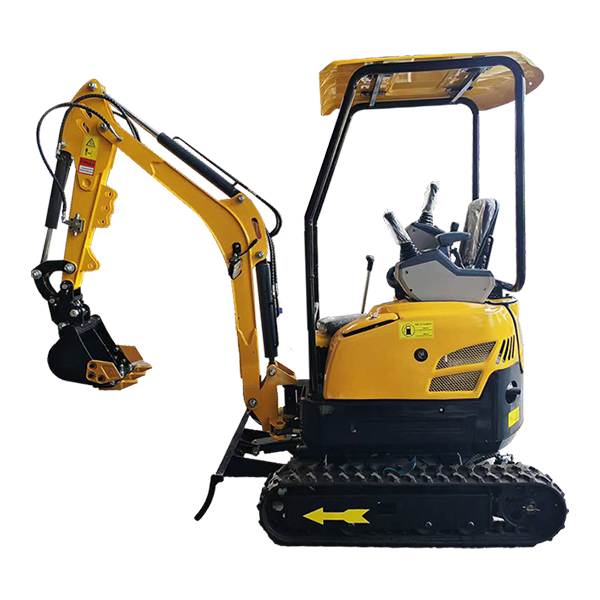 PNY-ME-17A small micro crawler diesel excavator
 -
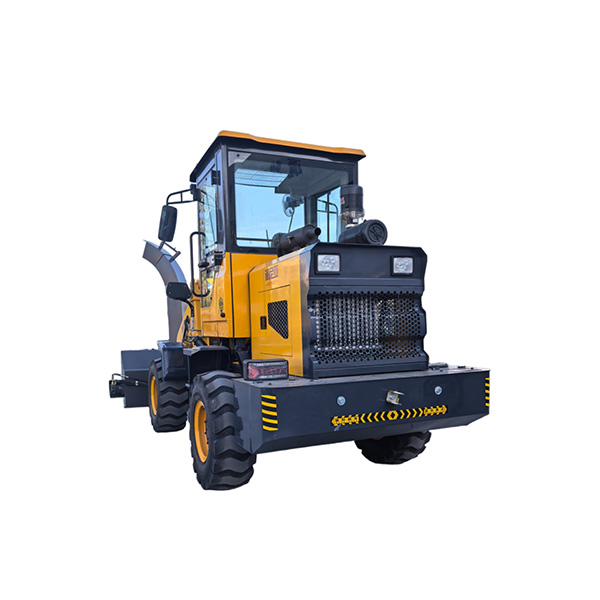 Loader based snow plow
 -
 Scrubber dryer model 750S with electronic brake
 -
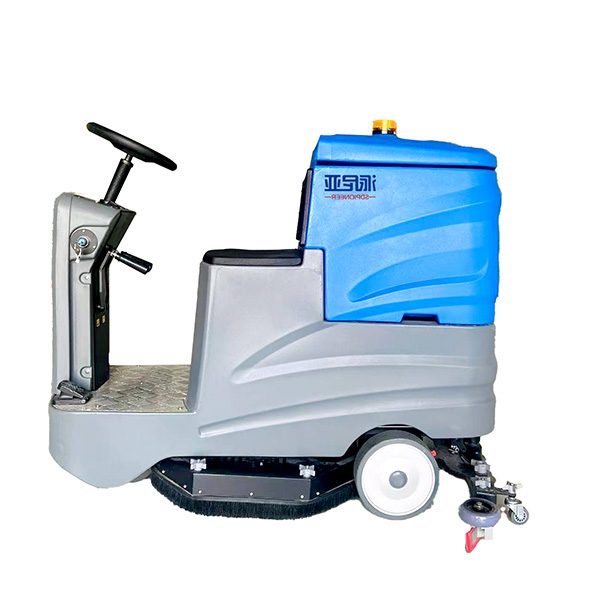 Model 750 Mechanical Brake Scrubber Dryer
 -
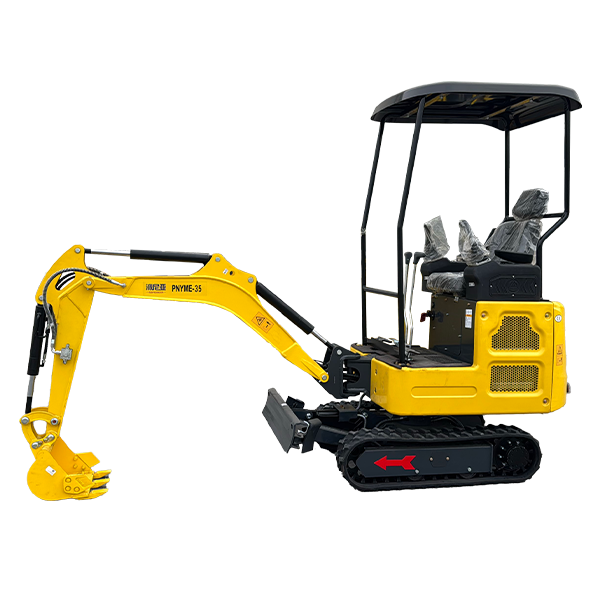 PNY-ME-35B small micro crawler diesel excavator Changchai
 -
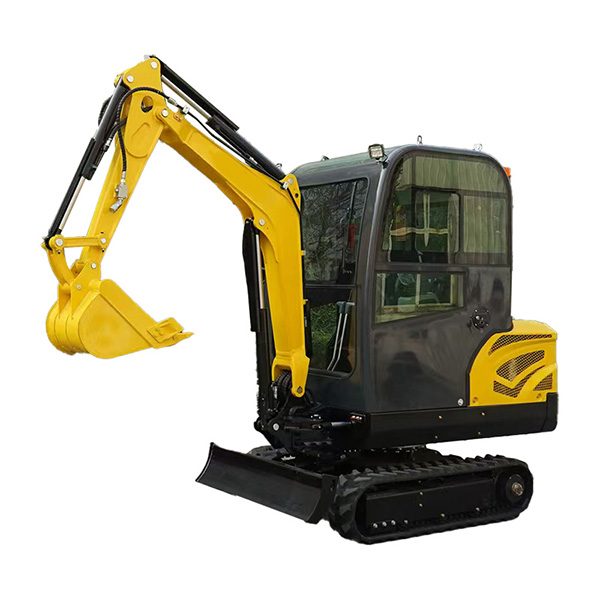 PNY-ME-325A Kubota Crawler Compact Diesel Excavator
Relatedsearch
Related Search- Top Buyers of Fuel Saving Skid Steer Loaders in China
- Top Large Area Snow Blower Buyers in China
- Top Countries of Origin of Mini Excavators in China
- Top Buying Countries for 7 Bulldozers in China
- Leading OEM buyer of excavator rippers
- Cheap DIY Skid Steer Loaders Top Buying Countries
- OEM large capacity bucket crawler mini excavator main buyer country
- safe excavator kubota
- Cheap mini excavators Vladivostok main buyer countries
- Cheap main buying countries for snow blowers with good maneuverability