
-
Email
dawson.qi@sdpioneer.com -
whatsapp
+8613953811377

-


+86 139 5381 1377

-


+86139-531-1377

-


+86 139 5381 1377

Excavator skill
In this guide we will cover all aspects in detailskill excavatora, from basic operations to advanced techniques. You'll learn about the types of excavators, their design, safe operation and maintenance techniques, and how to improve efficiency and accuracy in a variety of tasks.
Types of excavators and their applications
There are many types of excavators, each designed for specific tasks. Choosing the right type of excavator is critical to efficient and safe operation. Main types include:
- Crawler excavators:Ideal for working on uneven terrain and in confined spaces. They have high stability and power.
- Wheeled excavators:Designed for use on hard surfaces such as asphalt and concrete. More mobile than crawler excavators.
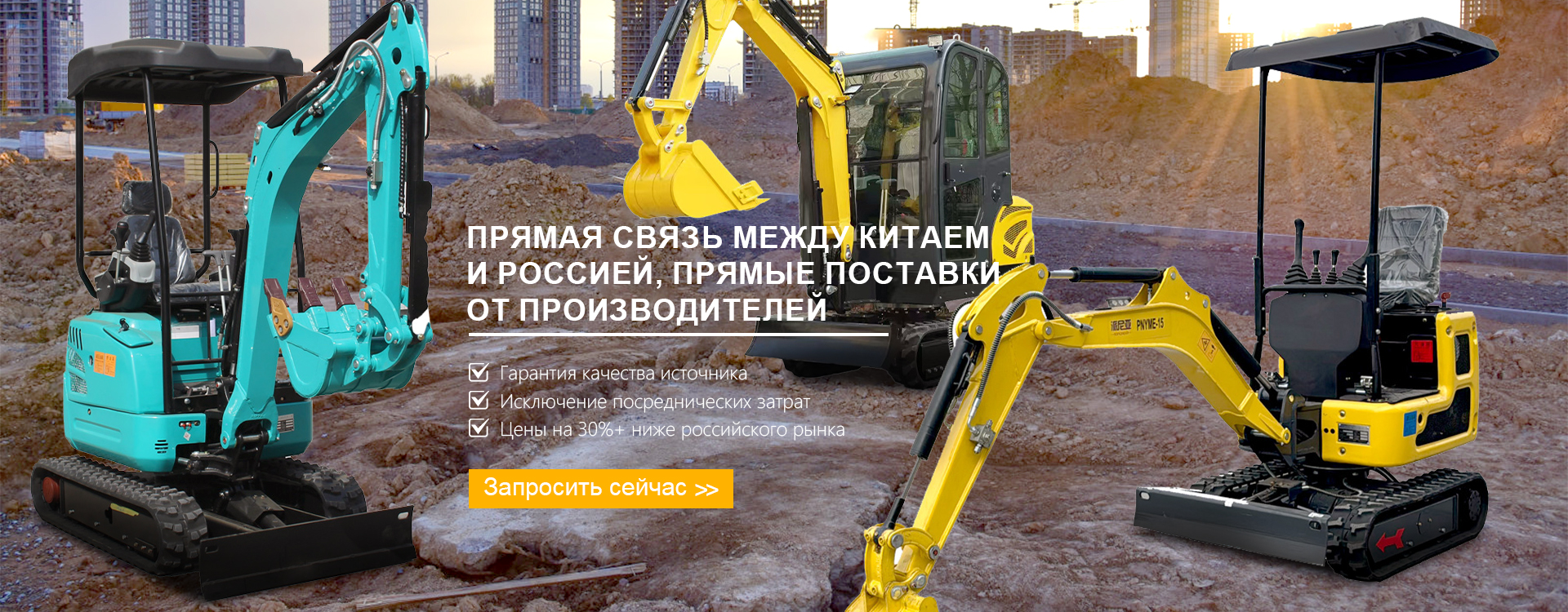
- Mini excavators:Compact and manoeuvrable, ideal for working in tight spaces and small tasks. Shandong Paynia Construction Equipment Co.,Ltd (sdpioneer.ru) offers a wide range of mini excavators.
- Backhoe loaders:Universal machines that combine the functions of an excavator and a front loader.
Excavator structure: Main components
To become a real master, you need to have a good understanding of the structure of an excavator. Main components include:
- Engine:Provides energy to operate all excavator systems.
- Hydraulic system:Transfers energy from the engine to the working parts of the excavator.
- Boom and arm:Provide movement of the bucket and performance of various operations.
- Bucket:The main working part of an excavator, designed for digging, loading and moving soil.
- Chassis:Provides movement of the excavator.
- Operator cabin:The place where the operator controls the excavator.
Safety when working with an excavator
Safety comes first! When working with an excavator, the following rules must be observed:
- Before starting work, inspect the excavator for any malfunctions.
- Make sure there are no people or obstacles in the work area.
- Use safety equipment such as a hard hat and safety glasses.
- Maintain a safe distance from power lines.
- Never exceed the excavator's lifting capacity.
- Get regular safety training.
Basic Skillsskill excavatora
Mastering basic skills is the key to successful excavator operation:
- Digging:Proper use of a bucket for effective digging.
- Layout:Leveling the surface using an excavator.
- Loading:Carefully loading soil into dump trucks or other vehicles.
- Transportation:Safe transportation of goods using an excavator.
- Service:Regular maintenance of the excavator to keep it in good condition.
Advanced Techniquesskill excavatora
After mastering the basic skills, you can move on to learning advanced techniques:
- Working with GPS and laser systems:Using modern technologies to improve accuracy and efficiency.
- Working in difficult conditions:Work on slopes, near water bodies and in other difficult conditions.
- Excavator repair and maintenance:Independently perform minor repairs and maintenance of the excavator.
Increased efficiency and accuracy
There are several ways to increase efficiency and accuracy when working with an excavator:
- Choosing the right bucket:Use the appropriate bucket for the specific task.
- Optimization of movement trajectory:Minimize excavator movements to save time and fuel.
- Use of leveling systems:Ensuring high precision when planning and leveling the surface.
- Regular training and advanced training:Studying new techniques and technologies.
Excavator Maintenance: The Key to Long Life
Regular maintenance is a guarantee of long and reliable operation of the excavator. Main types of services include:
- Daily inspection:Checking the level of oil, coolant and other fluids.
- Regular oil and filter changes:Keeping the engine and hydraulic system clean and lubricated.
- Checking and adjusting brakes:Ensuring safety when operating an excavator.
- Lubrication of components and mechanisms:Preventing wear of parts.
- Repair and replacement of worn parts:Timely troubleshooting.
Examples of useskill excavatorand in various industries
Excavator skilland is in demand in many industries:
- Construction:Digging pits, planning the territory, loading building materials.
- Road construction:Construction and repair of roads, laying communications.
- Mining industry:Mining.
- Agriculture:Land reclamation, construction of irrigation systems.
- Landscaping:Landscape design, creation of reservoirs.
Table: Comparison of excavator types
| Excavator type | Benefits | Disadvantages | Application |
|---|---|---|---|
| Crawler | High stability, power | Low mobility on hard surfaces | Working on uneven terrain, digging |
| Wheeled | High mobility on hard surfaces | Less stability than tracked ones | Work on roads, in cities |
| Mini excavator | Compact, maneuverable | Limited power | Work in cramped conditions, landscape work |
Conclusion
Excavator skilla is a combination of knowledge, skills and experience. Continuous learning and improvement is the key to a successful career in this field. We hope that this guide will help you become a true professional in this field. Pay attention to the offer from Shandong Paynia Construction Equipment LLC - they can find excavators suitable specifically for your tasks.
Sources:
- Official website of Shandong Paynia Construction Machinery Co.,Ltd:sdpioneer.ru
Correspondingproducts
Related Products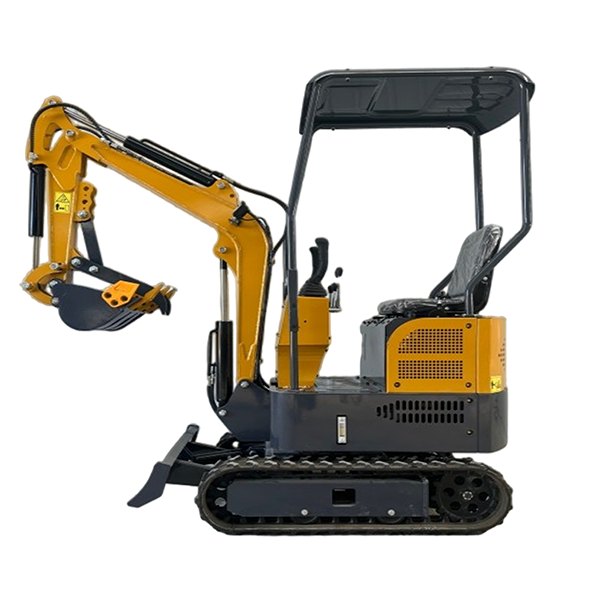
Best Sellingproducts
Best Selling Products-
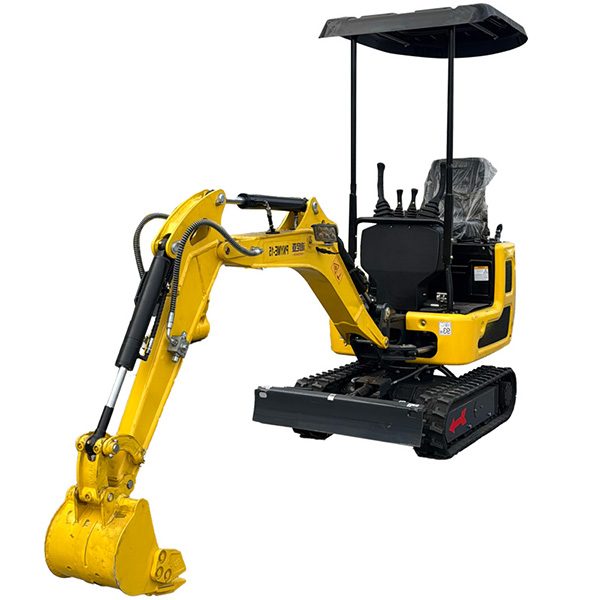 PNY-ME-15B crawler diesel mini excavator
 -
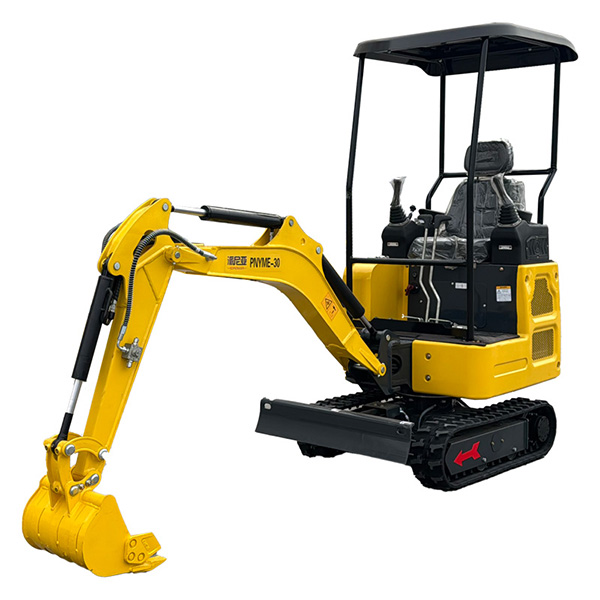
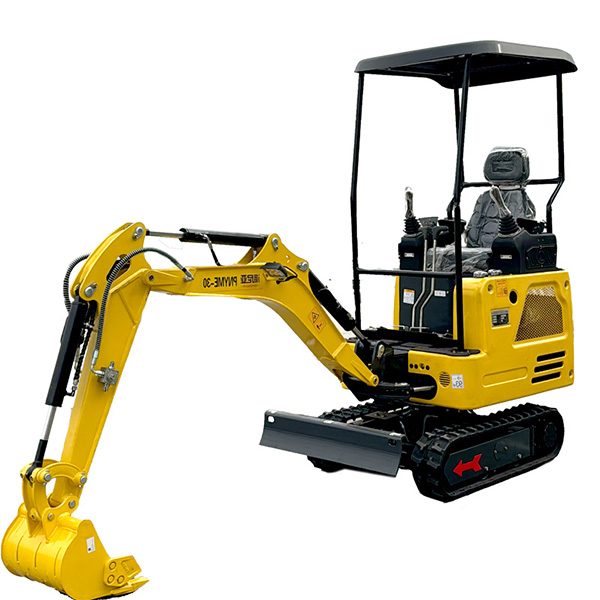 PNY-ME-30A small micro crawler diesel Kubota excavator
 -
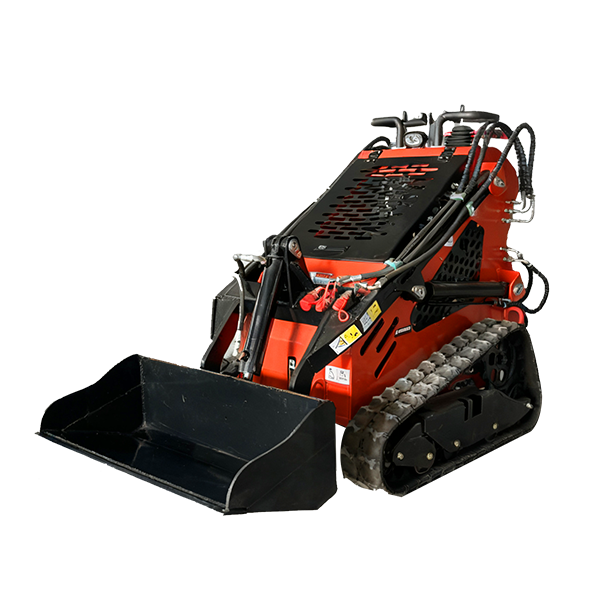 PNY-SL-360 three-track skid steer loader
 -
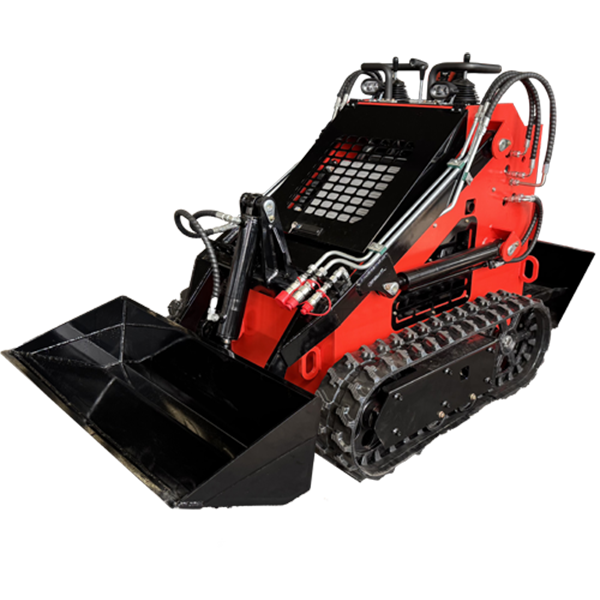 PNY-SL-380A Skid Steer Loader
 -
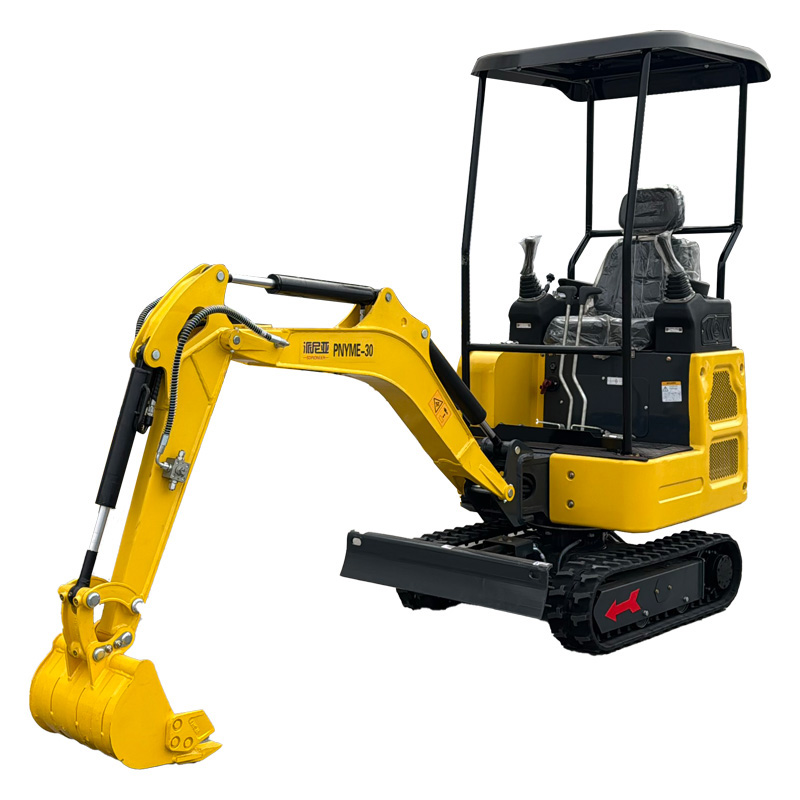 PNY-ME-30R Kubota small micro crawler diesel excavator
 -
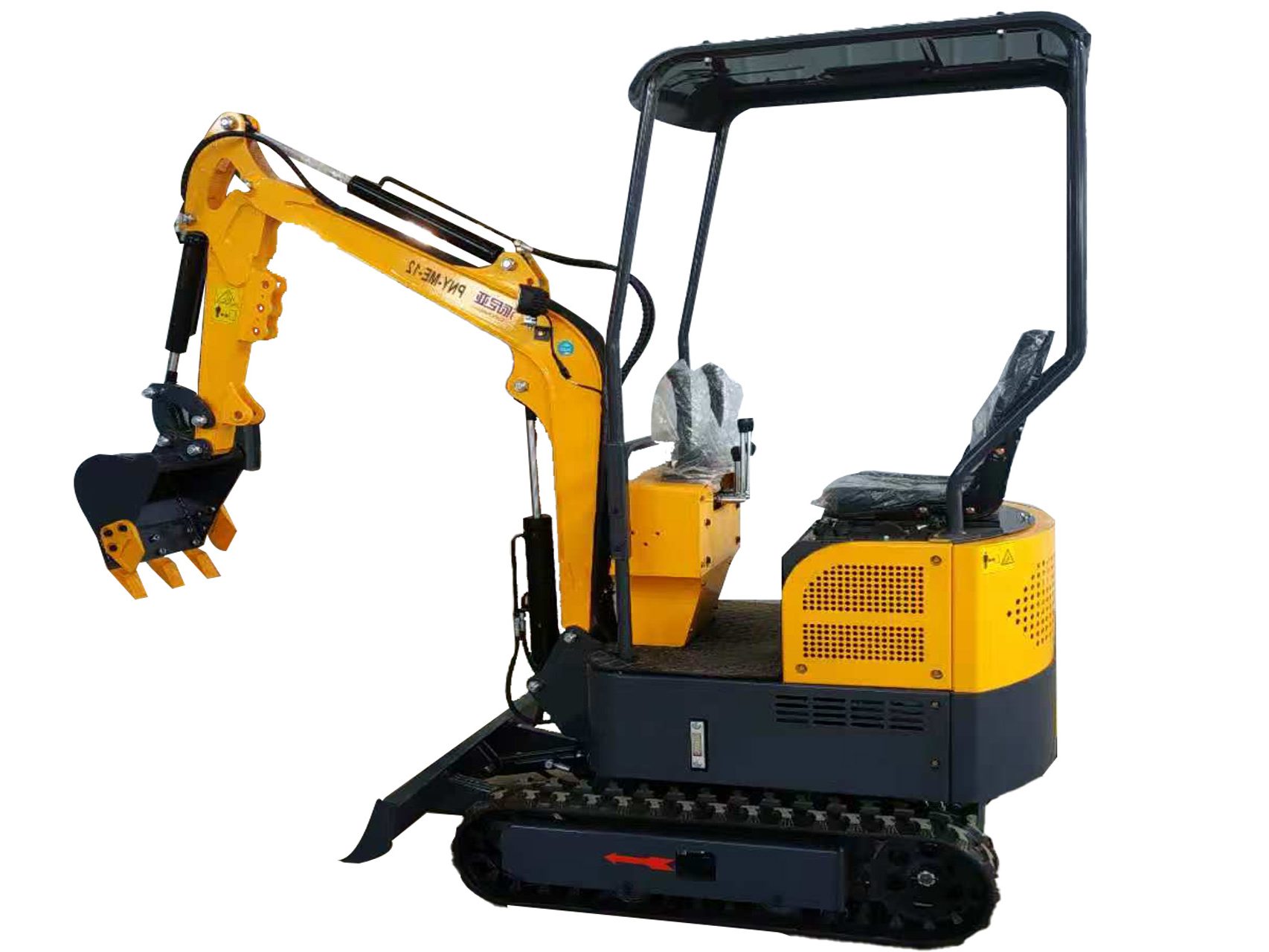
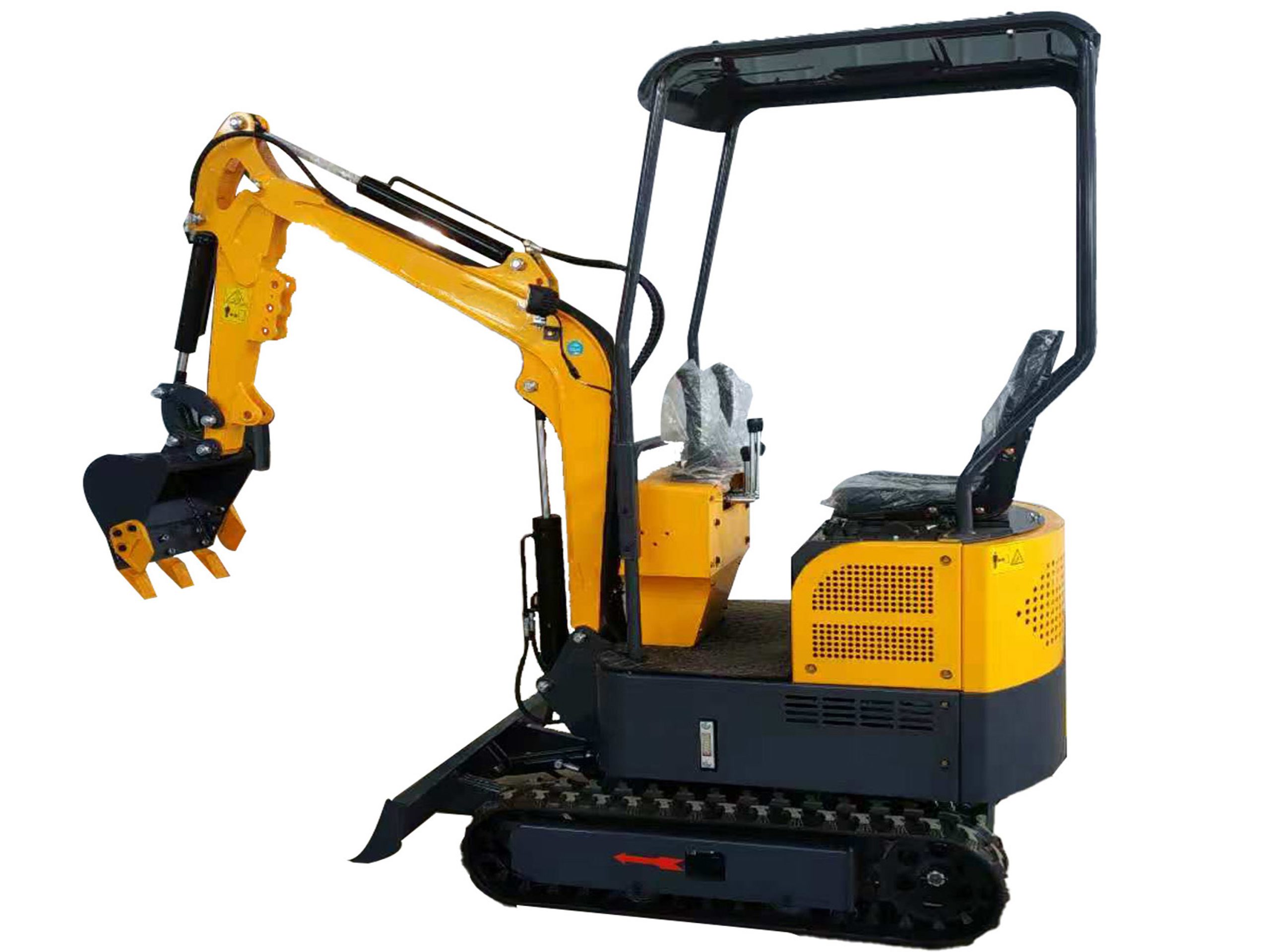 PNY-ME-12R mini crawler diesel excavator
 -
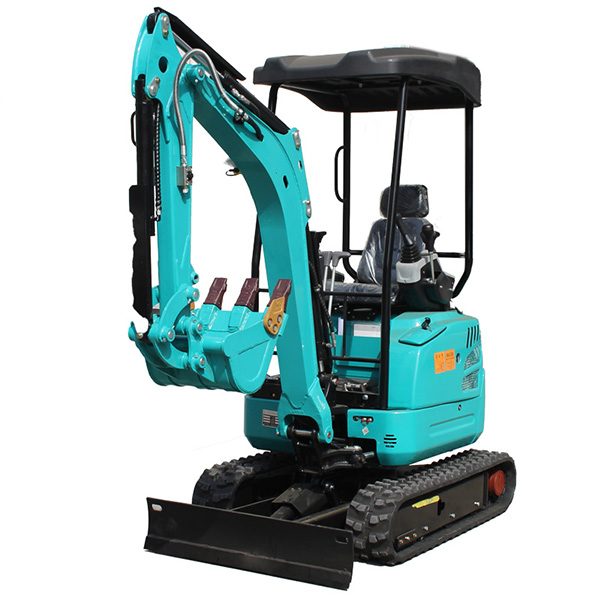 PNY-ME-320A Crawler Small Micro Diesel Excavator Kubota
 -
 PNY-BD-D220 Hydraulic Crawler Dozer
 -
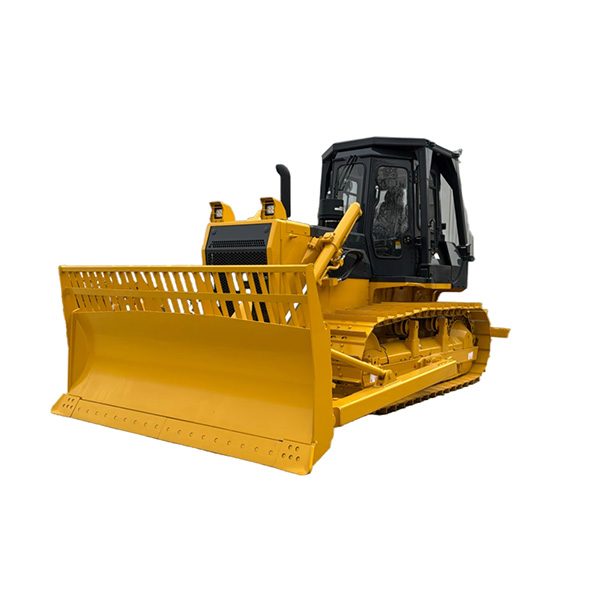 PNY-BD-D160 Hydraulic Crawler Dozer
 -
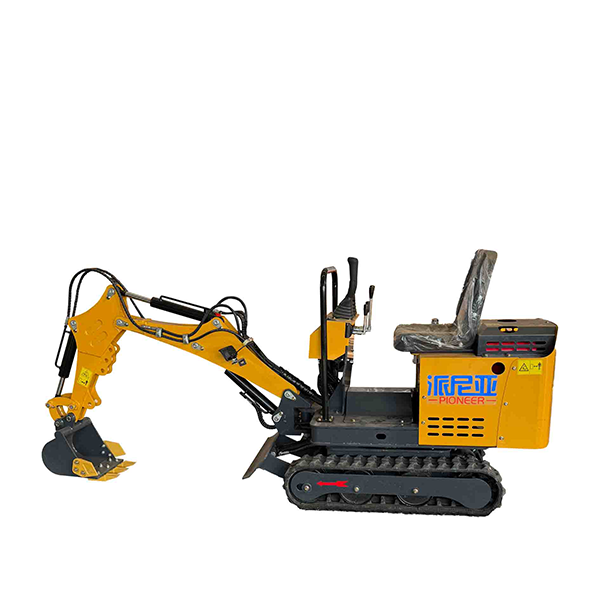 PNY-ME-08B mini small micro crawler diesel excavator
 -
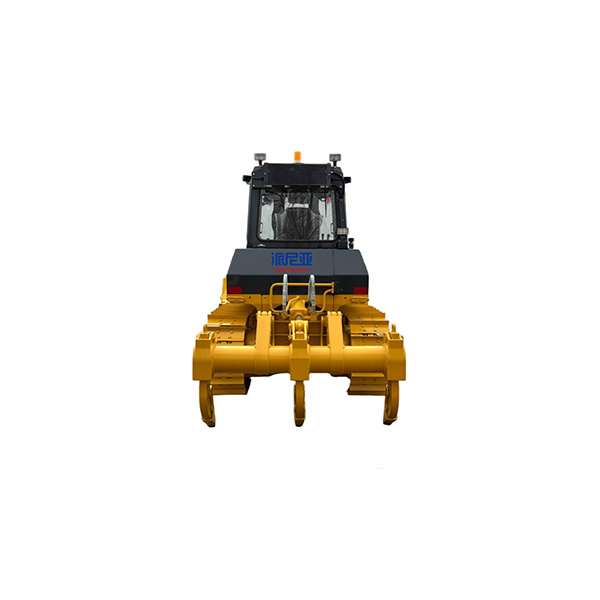 PNY-BD-D350 Hydraulic Crawler Dozer
 -
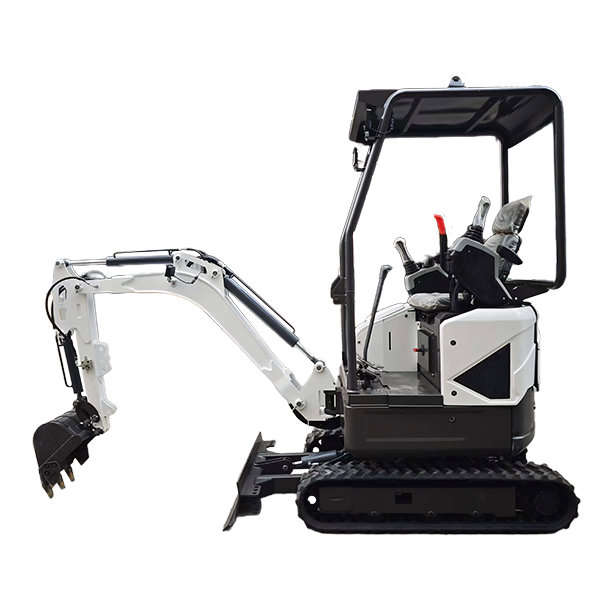 PNY-ME-320B Crawler Small Micro Diesel Kubota Excavator
Relatedsearch
Related Search- kubota used popular mini excavator
- Leading OEM Buyers of Fuel Saving Skid Steer Loaders
- Compact Design Skid Steer Loaders
- Cheap leading buyers of small machine rubber tracks
- Top Excavator Engine Power Buyers in China
- OEM rubber crawler low noise excavator main buyer country
- The main purchasing countries of cheap 4x4 split skid steers
- Tamping excavator
- Major Buying Countries for OEM General Type Mini Excavators
- Leading Country for OEM Excavator Tipping Bucket