
-
Email
dawson.qi@sdpioneer.com -
whatsapp
+8613953811377

-


+86 139 5381 1377

-


+86139-531-1377

-


+86 139 5381 1377

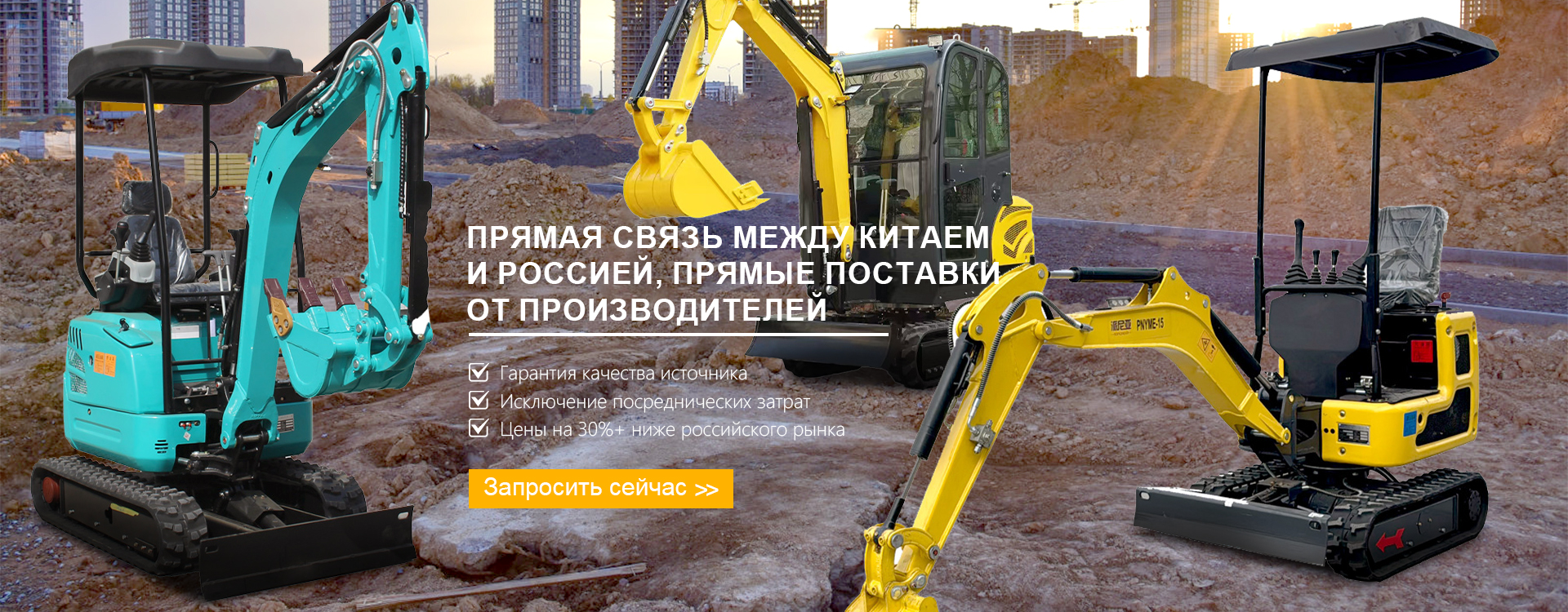
Hydrostatic drive system
Hydrostatic drive systemis a type of power transmission that uses pressurized fluid to transmit mechanical energy. It has a smooth ride, high torque and infinitely variable speed control, making it ideal for heavy equipment such as excavators, loaders and cranes. In this article, we will look at the operating principles, components, advantages and disadvantages of hydrostatic drive systems, and their applications.
What is a hydrostatic drive system?
Hydrostatic drive system(GST) is a mechanical system that uses hydraulic fluid as a medium to transmit power. Unlike hydrodynamic systems, where energy is transferred through the velocity of the fluid, in hydrostatic systems, energy is transferred through the pressure of the fluid. The GTS consists of a hydraulic pump, a hydraulic motor and connecting pipelines. A pump converts mechanical energy (such as from an internal combustion engine) into hydraulic energy (pressure and fluid flow), and a hydraulic motor converts hydraulic energy back into mechanical energy.
Operating principle of the hydrostatic drive system
Operating principlehydrostatic drive systemis based on Pascal's law, which states that pressure applied to a confined fluid is transmitted equally in all directions. The pump creates a flow of pressurized fluid that is fed to a hydraulic motor. The hydraulic motor converts the energy of fluid flow into mechanical energy of rotation of the output shaft. By adjusting the fluid flow, you can change the speed and torque of the output shaft.
Key Components of a Hydrostatic Drive System
Hydrostatic drive systemconsists of the following main components:
- Hydraulic pump:Converts mechanical energy into hydraulic energy. There are different types of hydraulic pumps such as gear, vane and piston pumps. Piston pumps are commonly used in GTS due to their high efficiency and high pressure capability.
- Hydraulic motor:Converts hydraulic energy back to mechanical energy. Hydraulic motors also come in different types and the choice of motor depends on the required power, speed and torque.
- Hydraulic fluid:It is a medium for energy transfer in the system. Hydraulic fluid must have certain properties, such as high viscosity, low compressibility and good lubricity.
- Connecting pipelines:They provide circulation of hydraulic fluid between the pump and the motor.
- Valves:Used to control the flow and pressure of fluid in the system. Valves can be safety valves, distribution valves, flow control valves, etc.
- Filters:Used to clean hydraulic fluid from contaminants.
- Hydraulic tank:Serves to store hydraulic fluid and remove heat.
Advantages and Disadvantages of Hydrostatic Drive Systems
Hydrostatic drive systemshave a number of advantages and disadvantages compared to other types of power transmission.
Benefits
- Smooth ride:GSTs provide smooth and stepless control of speed and torque.
- High Torque:GSTs are capable of developing high torque at low speeds.
- Compactness:GTS components can be compact and easily integrated into the machine design.
- Flexibility:GTSs allow power to be transmitted over long distances using hydraulic pipelines.
- Overload protection:Safety valves in the GTS protect the system from overloads.
Disadvantages
- Lower efficiency:GTSs have lower efficiency compared to mechanical transmissions.
- Sensitivity to pollution:GTS are sensitive to contamination of the hydraulic fluid, which requires the installation of filters and regular replacement of the fluid.
- Cost:GTS can be more expensive than mechanical transmissions.
- Maintenance Requirements:HSTs require regular maintenance and monitoring of the condition of the hydraulic fluid.
Applications for hydrostatic drive systems
Hydrostatic drive systemsWidely used in various industries where smooth and precise control of speed and torque is required.
Construction equipment
GSTs are used in excavators, loaders, bulldozers, cranes and other construction equipment. These systems allow for high maneuverability and precision control of the machine, which is especially important when performing construction work.
CompanyShandong Paynia Construction Machinery Co.,Ltdoffers a wide range of spare parts for hydrostatic drive systems of construction equipment, ensuring reliable and uninterrupted operation of your equipment. We specialize in supplying quality components, ensuring durability and efficiency.
Agricultural machinery
GSTs are used in tractors, combines, sprayers and other agricultural machinery. They provide optimal machine speed when performing various agricultural operations.
Road construction equipment
GSTs are used in asphalt pavers, rollers, milling machines and other road construction equipment. They allow you to accurately regulate the speed of the machine and ensure high quality work.
Municipal vehicles
GSTs are used in garbage trucks, street sweepers, snow removal equipment and other municipal equipment. They provide high maneuverability and efficiency of the machine in urban conditions.
Industrial equipment
GSTs are used in metalworking machines, presses, injection molding machines and other industrial equipment. They provide high accuracy and smooth movement of the working parts of machines.
Selecting a hydrostatic drive system
When choosinghydrostatic drive systemThere are a number of factors to consider, such as:
- Required power:Determine the power required to drive the machine or equipment.
- Speed and torque:Determine the required speed and torque on the output shaft.
- Operating conditions:Consider the operating conditions of the machine or equipment, such as temperature, humidity and dust.
- Hydraulic fluid type:Select the appropriate hydraulic fluid according to operating conditions and system requirements.
- Cost:Consider the cost of GTS components and maintenance costs.
Maintenance of hydrostatic drive systems
Regular maintenance is key to ensure reliable, long-lasting performancehydrostatic drive system. Basic maintenance activities include:
- Regular replacement of hydraulic fluid:Timely replacement of hydraulic fluid helps prevent system contamination and component wear.
- Replacing filters:Regularly replacing filters keeps the hydraulic fluid clean and prevents damage to system components.
- Checking the fluid level:Maintain the required fluid level in the hydraulic tank.
- Pressure check:Check the system pressure regularly to ensure that it is within the specified range.
- Inspect for leaks:Regularly inspect the system for fluid leaks and repair them promptly.
- Diagnostics and repair:If malfunctions occur, have the system diagnosed and repaired by a qualified service center.
Typical problems with hydrostatic drive systems and how to fix them
Despite the reliabilityhydrostatic drive system, various malfunctions may occur during operation. Let's look at some of them and how to eliminate them:
- Low system pressure:
- Reason:Fluid leakage, pump failure, valve failure.
- Remedy:Eliminate leaks, replace pump or valve.
- Fluid overheating:
- Reason:Insufficient fluid level, fluid contamination, cooler malfunction.
- Remedy:Adding fluid, replacing fluid, repairing or replacing the cooler.
- System noise:
- Reason:Cavitation, fluid contamination, component wear.
- Remedy:Eliminating the causes of cavitation, replacing fluid, replacing worn components.
Comparison of the hydrostatic drive system with other types of transmissions
Hydrostatic drive systemcompetes with other transmission types such as mechanical, electric and hybrid systems. Each system has its own advantages and disadvantages, and the choice depends on the specific requirements.
| Transmission type | Benefits | Disadvantages | Application |
|---|---|---|---|
| Hydrostatic | Smooth running, high torque, compact | Lower efficiency, sensitivity to contamination, cost | Construction, agricultural, road construction equipment |
| Mechanical | High efficiency, simple design, low cost | Step speed control, high noise level | Cars, machines, conveyors |
| Electric | High efficiency, precise control, environmental friendliness | High cost, design complexity, power limitations | Electric vehicles, industrial robots, CNC machines |
The future of hydrostatic drive systems
Hydrostatic drive systemscontinue to develop and improve. Modern GTSs are becoming more efficient, compact and reliable. New types of pumps and motors are being developed, as well as new hydraulic fluids with improved properties. In the future, we can expect more widespread use of GTS in various industries, especially in those areas where smooth and precise control of speed and torque is required.
In conclusion,hydrostatic drive systemis a powerful and flexible tool for transmitting mechanical energy. Understanding its operation, components, advantages and disadvantages, and maintenance guidelines will help you use this technology effectively in your work.
Correspondingproducts
Related Products
Best Sellingproducts
Best Selling Products-
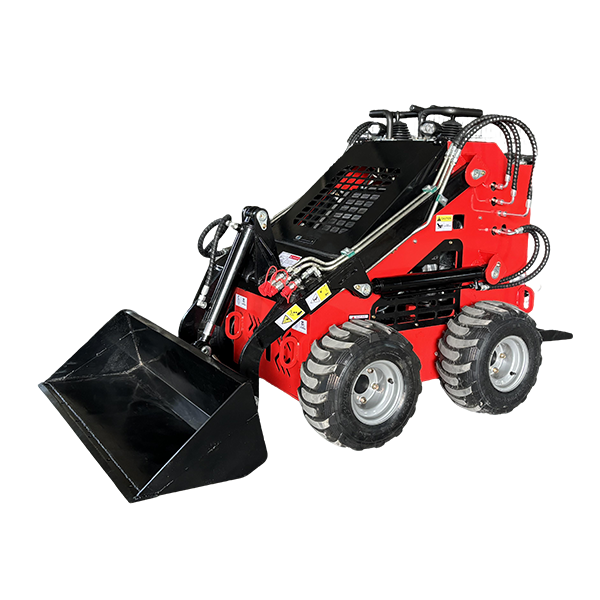
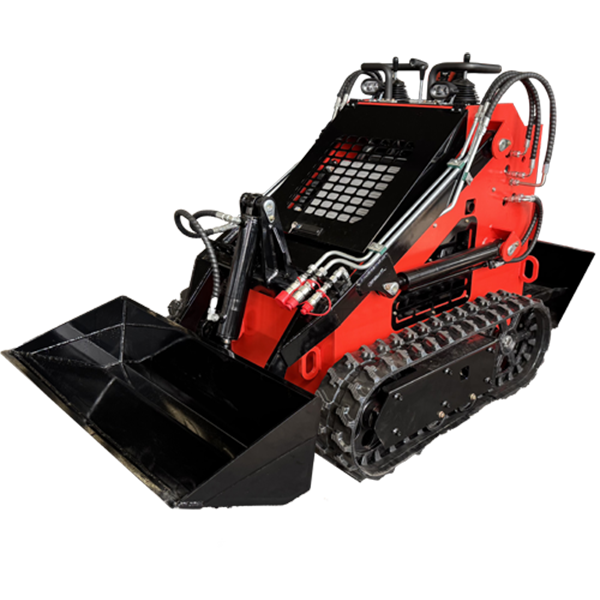 PNY-SL-380A Skid Steer Loader
 -
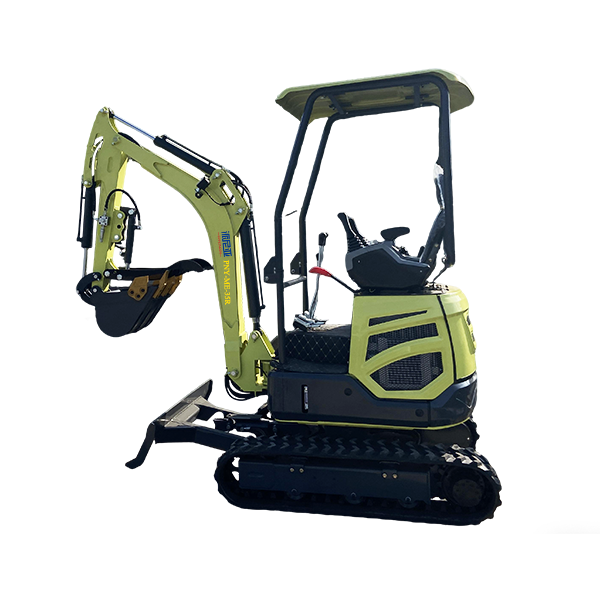
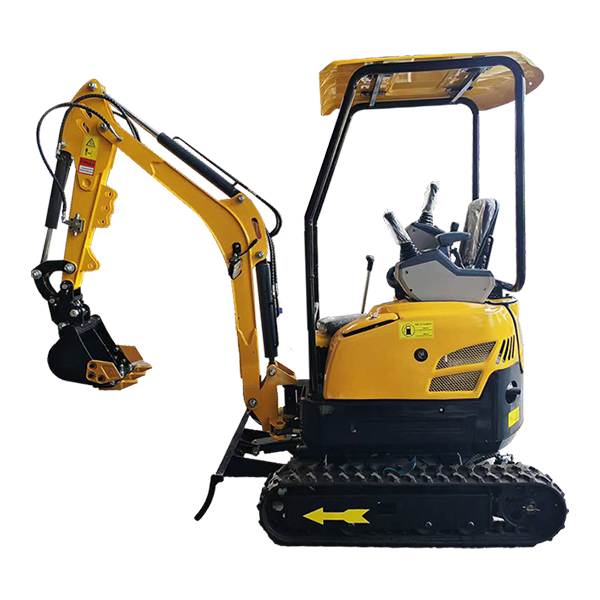 PNY-ME-17R small micro crawler diesel excavator
 -
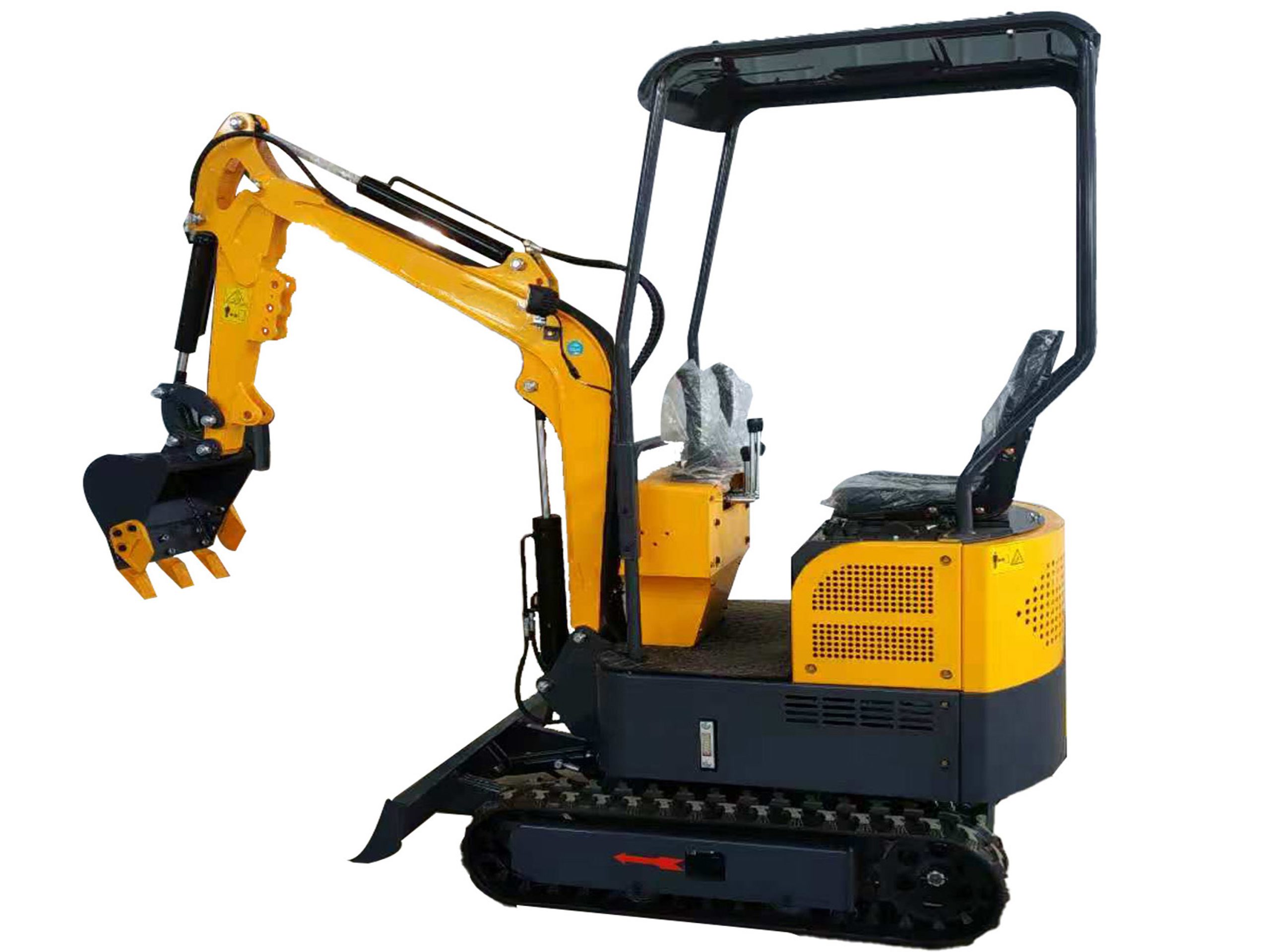 PNY-ME-12R mini crawler diesel excavator
 -
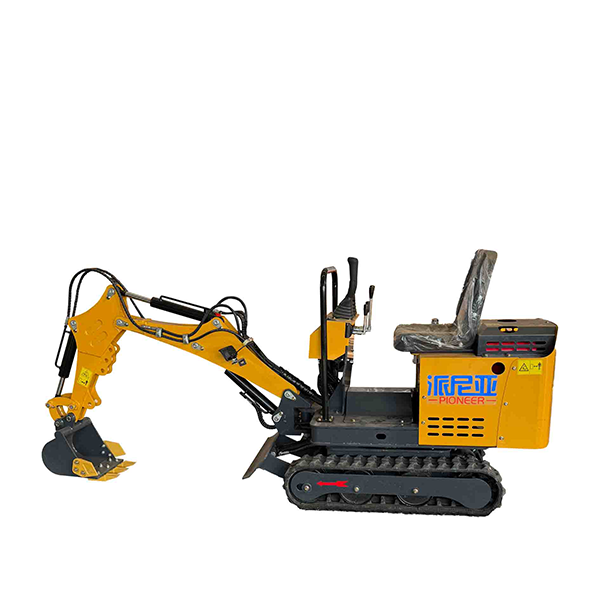 PNY-ME-08B mini small micro crawler diesel excavator
 -
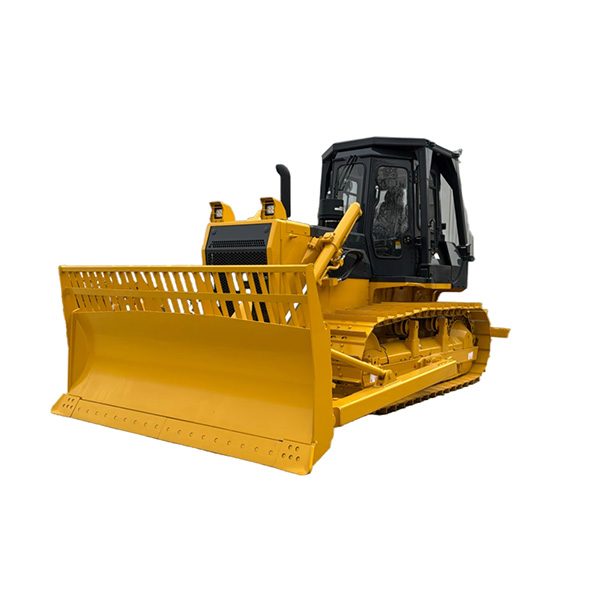 PNY-BD-D160 Hydraulic Crawler Dozer
 -
 PNY-BD-D260 Hydraulic Crawler Dozer
 -
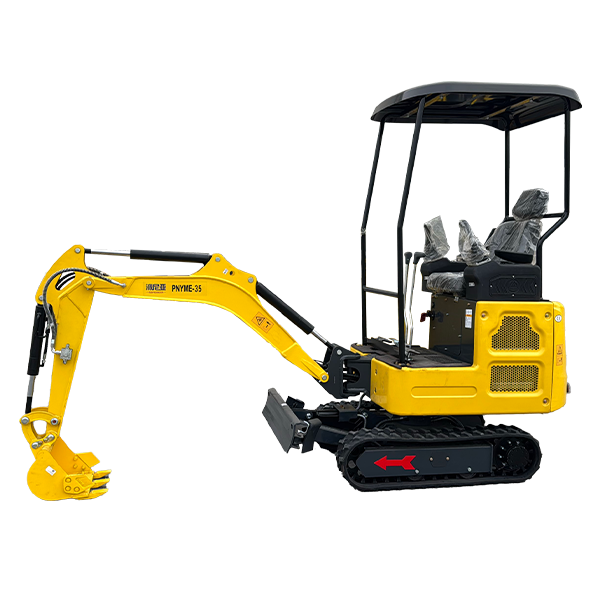 PNY-ME-35A small micro crawler diesel excavator Changchai
 -
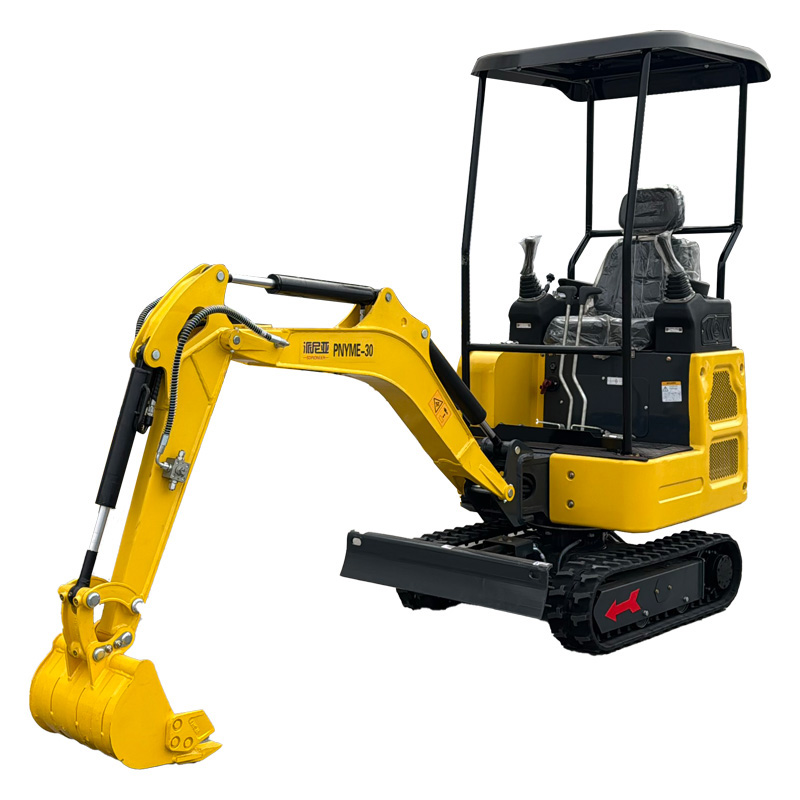 PNY-ME-30R Kubota small micro crawler diesel excavator
 -
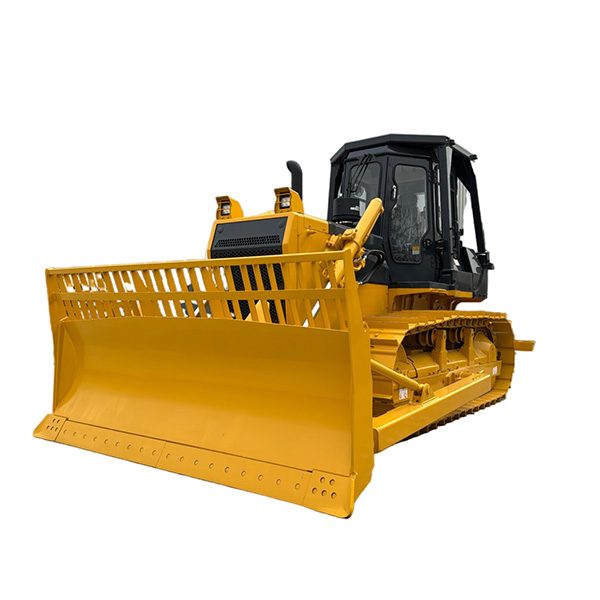 PNY-BD-D170 Hydraulic Crawler Dozer
 -
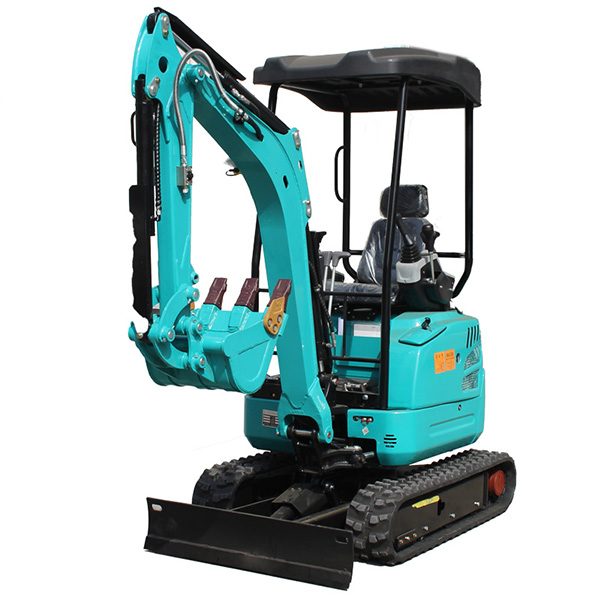 PNY-ME-320A Crawler Small Micro Diesel Excavator Kubota
 -
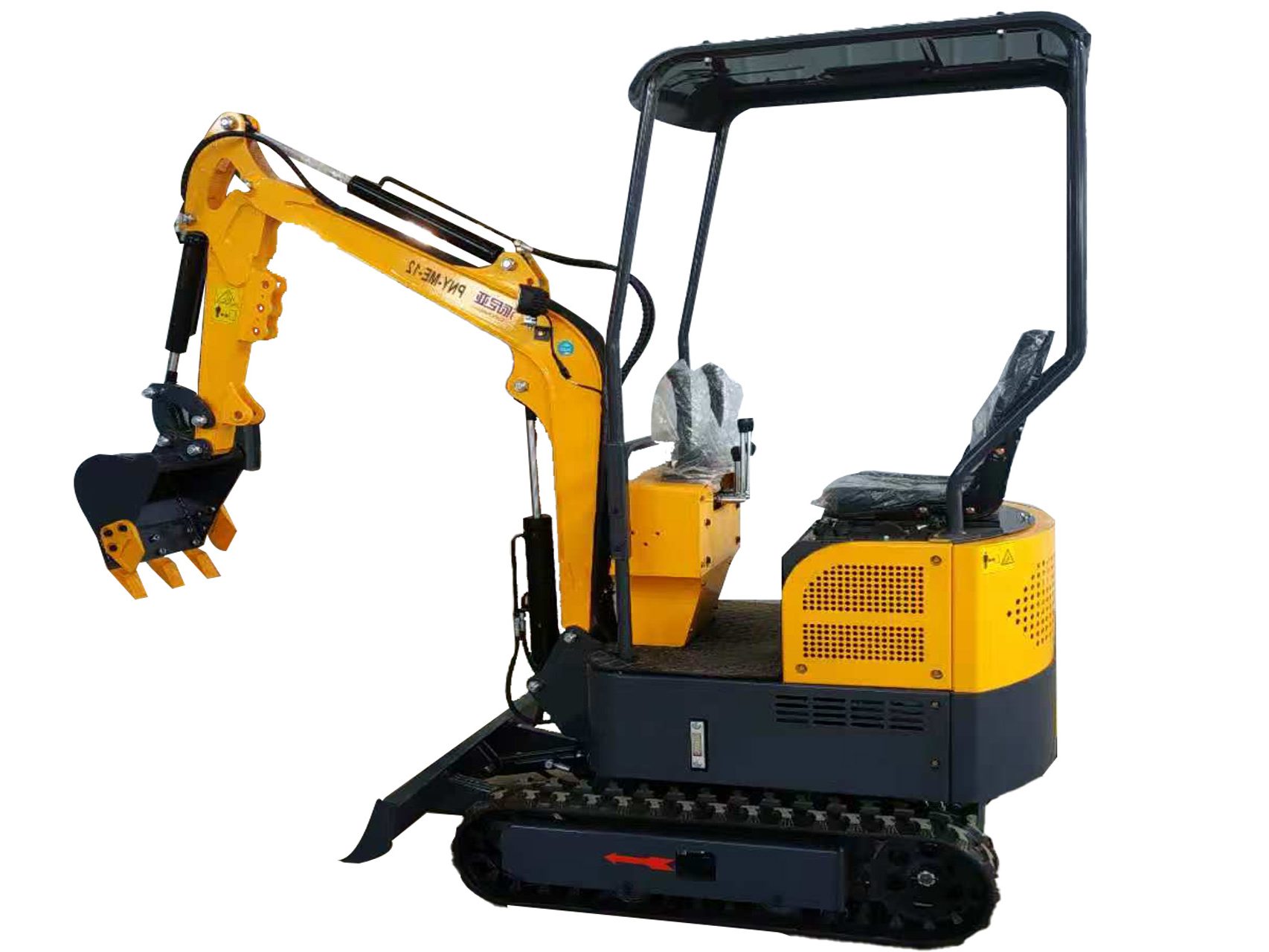 PNY-ME-12B mini small micro crawler diesel excavator
 -
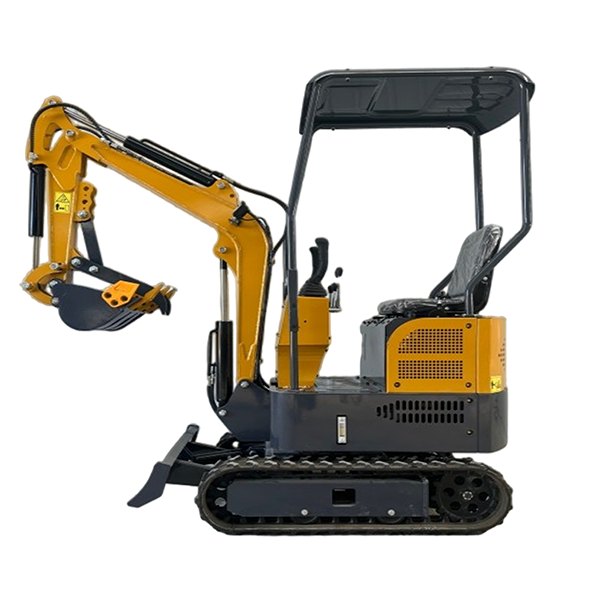 PNY-ME-12A mini crawler diesel excavator
Relatedsearch
Related Search- Cheap DIY Skid Steer Loaders Top Buying Countries
- Cheap kubota light mini excavator main buyer country
- mini loader price
- mini loader 600
- Major Buying Countries for OEM Multi-Task Skid Steer Loaders
- Best Buyers of Smallest Turning Radius Snow Blowers from China
- Kubota universal mini excavator
- Top countries buying Kubota diesel excavators from China
- Top Buyers of Mini Excavators for Land Leveling in China
- China's leading buyer of multi-purpose excavators